


- Afhalen na 1 uur in een winkel met voorraad
- Gratis thuislevering in België vanaf € 30
- Ruim aanbod met 7 miljoen producten
- Afhalen na 1 uur in een winkel met voorraad
- Gratis thuislevering in België vanaf € 30
- Ruim aanbod met 7 miljoen producten





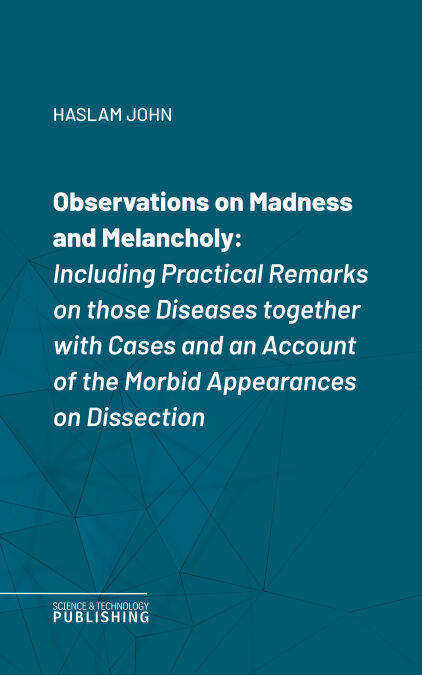
Observations on Madness and Melancholy E-BOOK
Including Practical Remarks on those Diseases together with Cases and an Account of the Morbid Appearances on Dissection
John Haslam
E-book | Engels
€ 19,99
+ 19 punten
Omschrijving
Observations on Madness and Melancholy Including Practical Remarks on those Diseases together with Cases and an Account of the Morbid Appearances on Dissection is a seminal medical treatise by John Haslam, first published in the early 19th century. This comprehensive work delves deeply into the nature, causes, symptoms, and treatment of mental disorders, particularly focusing on madness (now recognized as various forms of psychosis) and melancholy (historically associated with depression). Drawing on his extensive experience as an apothecary at Bethlem Hospital, Haslam provides a detailed and systematic account of the clinical features of these conditions, illustrated with numerous case studies that offer insight into the lived experiences of patients. The book is notable for its practical approach, offering not only theoretical observations but also concrete recommendations for the management and care of individuals suffering from mental illness. Haslam discusses the prevailing theories of his time regarding the origins of madness and melancholy, including hereditary factors, physical causes, and the influence of emotions and lifestyle. He critically examines the effectiveness of contemporary treatments, such as bloodletting, purgatives, and confinement, and advocates for more humane and rational approaches to care. A significant portion of the text is devoted to detailed case histories, which document the progression of mental illness in various patients, their responses to treatment, and the outcomes of their conditions. These cases are supplemented by Haslam’s meticulous descriptions of post-mortem examinations, providing early insights into the pathological changes associated with mental disorders. His observations on the morbid appearances found during dissections contribute to the emerging field of neuropathology and reflect the growing interest in understanding the physical basis of mental illness. Observations on Madness and Melancholy stands as a landmark in the history of psychiatry, bridging the gap between the superstitions of the past and the scientific approaches of modern medicine. Haslam’s compassionate and methodical study not only advanced the understanding of mental health in his era but also laid the groundwork for future research and reform in the treatment of psychiatric patients. The book remains a valuable resource for historians of medicine, mental health professionals, and anyone interested in the evolution of psychiatric thought and practice.
Specificaties
Betrokkenen
- Auteur(s):
- Uitgeverij:
Inhoud
- Taal:
- Engels
Eigenschappen
- Productcode (EAN):
- 9782528107775
- Verschijningsdatum:
- 31/08/2025
- Uitvoering:
- E-book
- Formaat:
- ePub


Alleen bij Standaard Boekhandel
+ 19 punten op je klantenkaart van Standaard Boekhandel
Cadeau

AANGERADEN


Beoordelingen
We publiceren alleen reviews die voldoen aan de voorwaarden voor reviews. Bekijk onze voorwaarden voor reviews.