


- Afhalen na 1 uur in een winkel met voorraad
- Gratis thuislevering in België vanaf € 30
- Ruim aanbod met 7 miljoen producten
- Afhalen na 1 uur in een winkel met voorraad
- Gratis thuislevering in België vanaf € 30
- Ruim aanbod met 7 miljoen producten





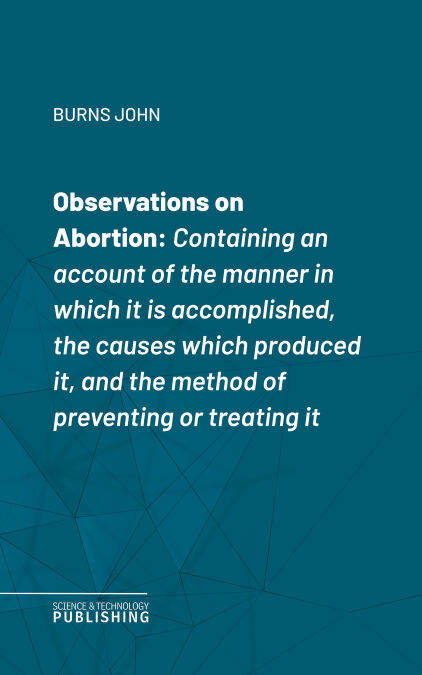
Observations on Abortion E-BOOK
Containing an account of the manner in which it is accomplished, the causes which produced it, and the method of preventing or treating it
John Burns
E-book | Engels
€ 19,99
+ 19 punten
Uitvoering
Omschrijving
Observations on Abortion: Containing an Account of the Manner in Which It Is Accomplished, the Causes Which Produce It, and the Method of Preventing or Treating It is a comprehensive 19th-century medical treatise that delves into the complex subject of abortion from a clinical and practical perspective. Authored by John Burns, a prominent physician of his time, the book offers a detailed exploration of the physiological, pathological, and social aspects surrounding abortion. Burns systematically examines the various methods by which abortion may occur, whether spontaneously or through external intervention, and provides a thorough analysis of the underlying causes, including both natural and artificial factors. The text is notable for its methodical approach, beginning with a clear definition of abortion and its distinction from premature labor. Burns discusses the signs and symptoms that indicate an impending abortion, the stages of fetal development, and the anatomical and physiological changes that occur during pregnancy. He meticulously outlines the numerous causes that can lead to abortion, such as maternal health conditions, emotional distress, physical trauma, and environmental influences, as well as the impact of lifestyle and societal factors. A significant portion of the book is dedicated to the prevention and treatment of abortion. Burns emphasizes the importance of early detection, proper medical care, and the management of predisposing conditions to reduce the risk of miscarriage. He provides practical advice for both physicians and expectant mothers, detailing recommended treatments, dietary considerations, and the use of medicinal remedies available at the time. The author also addresses the ethical and moral dimensions of abortion, reflecting the prevailing attitudes and medical ethics of the early 19th century. Rich in historical context and medical insight, Observations on Abortion serves as both a valuable resource for understanding the evolution of obstetric care and a window into the medical knowledge and social attitudes of its era. The book remains a significant work for historians of medicine, students of women's health, and anyone interested in the historical treatment and perception of abortion.
Specificaties
Betrokkenen
- Auteur(s):
- Uitgeverij:
Inhoud
- Taal:
- Engels
Eigenschappen
- Productcode (EAN):
- 9782528119990
- Verschijningsdatum:
- 31/08/2025
- Uitvoering:
- E-book
- Formaat:
- ePub


Alleen bij Standaard Boekhandel
+ 19 punten op je klantenkaart van Standaard Boekhandel
Cadeau

AANGERADEN


Beoordelingen
We publiceren alleen reviews die voldoen aan de voorwaarden voor reviews. Bekijk onze voorwaarden voor reviews.