


- Afhalen na 1 uur in een winkel met voorraad
- Gratis thuislevering in België vanaf € 30
- Ruim aanbod met 7 miljoen producten
- Afhalen na 1 uur in een winkel met voorraad
- Gratis thuislevering in België vanaf € 30
- Ruim aanbod met 7 miljoen producten




Omschrijving
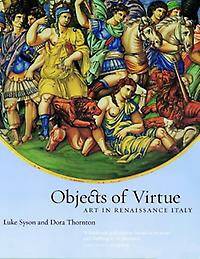
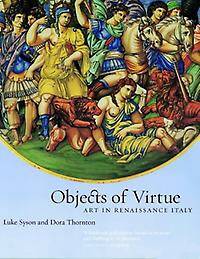
You are what you own. So believed many of the elite men and women of Renaissance Italy. The notion that a person's belongings transmit something about their personal history, status, and "character" was renewed in the fifteenth and early sixteenth centuries. Objects of Virtue explores the multiple meanings and values of the objects with which families like the Medici, Este, and Gonzaga surrounded themselves. This lavishly illustrated volume examines the complicated relationships between the so-called "fine arts"--painting and sculpture--and artifacts of other kinds for which artistry might be as important as utility-furniture, jewelry, and vessels made of gold, silver, and bronze, precious and semi-precious stone, glass, and ceramic. The works discussed were designed and made by artists as famous as Andrea Mantegna, Raphael, and Michelangelo, as well as by lesser-known specialists--goldsmiths, gem-engravers, glassmakers, and maiolica painters.
Specificaties
Betrokkenen
- Auteur(s):
- Uitgeverij:
Eigenschappen
- Productcode (EAN):
- 9780714128115
- Verschijningsdatum:
- 20/06/2004
- Gewicht:
- 1200 g


Alleen bij Standaard Boekhandel
+ 57 punten op je klantenkaart van Standaard Boekhandel
CADEAU


Beoordelingen
We publiceren alleen reviews die voldoen aan de voorwaarden voor reviews. Bekijk onze voorwaarden voor reviews.