


- Afhalen na 1 uur in een winkel met voorraad
- Gratis thuislevering in België vanaf € 30
- Ruim aanbod met 7 miljoen producten
- Afhalen na 1 uur in een winkel met voorraad
- Gratis thuislevering in België vanaf € 30
- Ruim aanbod met 7 miljoen producten





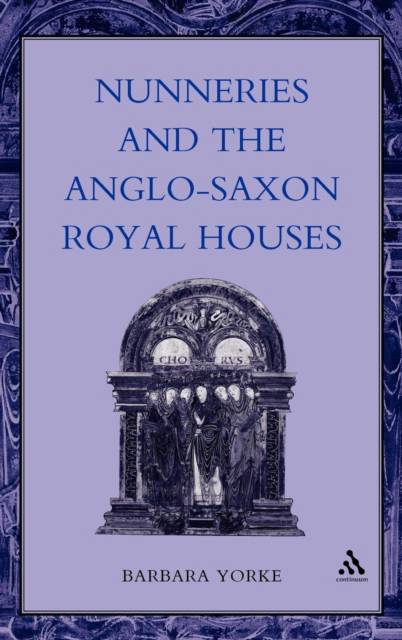
Nunneries and the Anglo-Saxon Royal Houses
Barbara Yorke
€ 449,45
+ 898 punten
Omschrijving
Nunneries and the Anglo-Saxon Royal Houses is the first book to examine in detail a distinctive group of female religious communities which were founded by royal families and usually commanded by princesses and queens. Although the author recognizes that facets of their history can be viewed in common with that of other ecclesiastical houses in Anglo-Saxon England, she is particularly interested in what made them different. She shows that the fortunes of the nunneries were inextricably linked with those of the royal families that were their patrons and explores how they often had to reconcile potentially conflicting demands from the secular and ecclesiastical worlds. The book also looks at the opportunities the nunneries provided for royal women to exercise the types of public power and authority that in the early middle ages were often the preserve of men.
Specificaties
Betrokkenen
- Auteur(s):
- Uitgeverij:
Inhoud
- Aantal bladzijden:
- 224
- Taal:
- Engels
- Reeks:
Eigenschappen
- Productcode (EAN):
- 9780826460400
- Verschijningsdatum:
- 16/06/2003
- Uitvoering:
- Hardcover
- Formaat:
- Genaaid
- Afmetingen:
- 163 mm x 241 mm
- Gewicht:
- 485 g


Alleen bij Standaard Boekhandel
+ 898 punten op je klantenkaart van Standaard Boekhandel
Cadeau

AANGERADEN


Beoordelingen
We publiceren alleen reviews die voldoen aan de voorwaarden voor reviews. Bekijk onze voorwaarden voor reviews.