


- Afhalen na 1 uur in een winkel met voorraad
- Gratis thuislevering in België vanaf € 30
- Ruim aanbod met 7 miljoen producten
- Afhalen na 1 uur in een winkel met voorraad
- Gratis thuislevering in België vanaf € 30
- Ruim aanbod met 7 miljoen producten





€ 197,45
+ 394 punten
Omschrijving
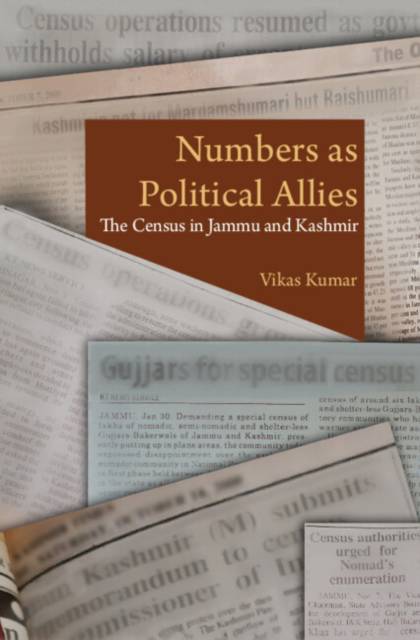
Numbers as Political Allies analyses the state sponsored headcounts in Jammu and Kashmir as public goods, collective self-portraits, and symbols of modernity. It explores how census statistics are impacted by their administrative, legal and political-economic contexts. The book guides the reader through the entire lifecycle of headcounts from the administrative manoeuvring at the preparatory stage to the partisan use of data in policymaking and public debates. Using the case of Jammu and Kashmir, it explains how our ability to examine data quality is limited by the paucity of metadata and estimates the magnitudes of coverage and content errors in the census process. It argues that Jammu and Kashmir's data deficit is shaped by and shapes ethno-regional, communal, and scalar contests across different levels of governance and compares its census experience with other states to discuss possible reforms to enhance public trust in the census.
Specificaties
Betrokkenen
- Auteur(s):
- Uitgeverij:
Inhoud
- Aantal bladzijden:
- 562
- Taal:
- Engels
Eigenschappen
- Productcode (EAN):
- 9781009317214
- Verschijningsdatum:
- 4/01/2024
- Uitvoering:
- Hardcover
- Formaat:
- Genaaid
- Afmetingen:
- 164 mm x 236 mm
- Gewicht:
- 839 g


Alleen bij Standaard Boekhandel
+ 394 punten op je klantenkaart van Standaard Boekhandel
Cadeau

AANGERADEN


Beoordelingen
We publiceren alleen reviews die voldoen aan de voorwaarden voor reviews. Bekijk onze voorwaarden voor reviews.