


- Afhalen na 1 uur in een winkel met voorraad
- Gratis thuislevering in België vanaf € 30
- Ruim aanbod met 7 miljoen producten
- Afhalen na 1 uur in een winkel met voorraad
- Gratis thuislevering in België vanaf € 30
- Ruim aanbod met 7 miljoen producten





€ 11,45
+ 22 punten
Omschrijving
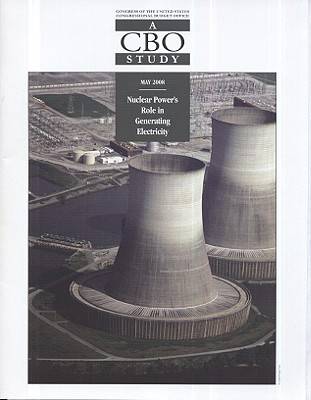
This study assesses the commercial viability of advanced nuclear technology as a means of meeting future demand for electricity by comparing the costs of producing electricity from different sources under varying circumstances. The Congressional Budget Office (CBO) estimated the cost of producing electricity using a new generation of nuclear reactors and other base-load technologies under a variety of assumptions about prospective carbon dioxide charges, EPAct incentives, and future market conditions.3 This study compares the cost of advanced nuclear technology with that of other major sources of base-load capacity that are available throughout the countryincluding both conventional and innovative fossil-fuel technologies. Because the study focuses only on technologies that can be used as base-load capacity in most parts of the country, it does not address renewable energy technologies that are intermittent (such as wind and solar power) or technologies that use resources readily available only in certain areas (such as geothermal or hydroelectric power).
Specificaties
Betrokkenen
- Auteur(s):
- Uitgeverij:
Inhoud
- Aantal bladzijden:
- 38
- Taal:
- Engels
- Reeks:
Eigenschappen
- Productcode (EAN):
- 9780160807350
- Verschijningsdatum:
- 14/05/2008
- Uitvoering:
- Paperback
- Formaat:
- Trade paperback (VS)
- Afmetingen:
- 216 mm x 279 mm


Alleen bij Standaard Boekhandel
+ 22 punten op je klantenkaart van Standaard Boekhandel
CADEAU


Beoordelingen
We publiceren alleen reviews die voldoen aan de voorwaarden voor reviews. Bekijk onze voorwaarden voor reviews.