


- Afhalen na 1 uur in een winkel met voorraad
- Gratis thuislevering in België vanaf € 30
- Ruim aanbod met 7 miljoen producten
- Afhalen na 1 uur in een winkel met voorraad
- Gratis thuislevering in België vanaf € 30
- Ruim aanbod met 7 miljoen producten




Omschrijving
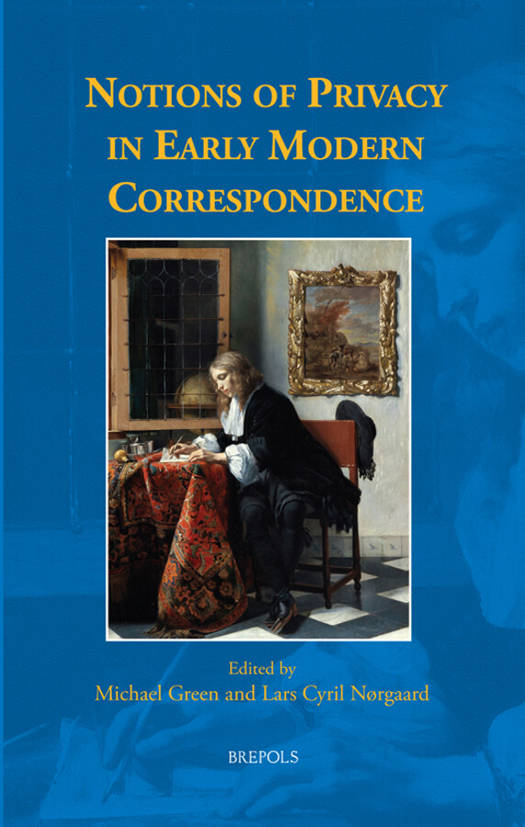
Our modern notions of privacy have their roots in the early modern period. When studying this historical background, one of the most important sources is correspondence. Letters sent from one person to another reflect specific situations, ideas, thoughts, emotions, and experiences. Contextualizing an epistolary exchange provides information about the world and values of past individuals. This volume presents essays that deal with a variety of early modern correspondence. The letters analysed, written in French, Dutch, German, and English, speak to very different contexts and cultural codes. While each of the letters in question has its own unique story to tell, all contributions come together by focusing on notions of privacy. From the intimacy that unfolds in educational exchanges to specific letter-writers and their strategic use of the private, this volume offers ground-breaking insights that will be relevant to many different researchers and their respective fields: the history of science, the history of Christianity, the history of travel writing and education, gender studies, and the history of diplomacy. In addition, the contributions also tackle the issue of publishing letters in the early modern period, both as a cultural phenomenon and as a material praxis. Together, the essays show how 'privacy' was an ambiguous term in the early modern period; the letter as literary genre and a means of communication demonstrates how privacy was perceived both as valuable and as a potential threat.
Specificaties
Betrokkenen
- Auteur(s):
- Uitgeverij:
Inhoud
- Aantal bladzijden:
- 270
- Taal:
- Engels, Frans
- Reeks:
- Reeksnummer:
- nr. 22
Eigenschappen
- Productcode (EAN):
- 9782503612348
- Verschijningsdatum:
- 27/03/2025
- Uitvoering:
- Hardcover
- Formaat:
- Genaaid
- Afmetingen:
- 160 mm x 241 mm
- Gewicht:
- 616 g


Alleen bij Standaard Boekhandel
+ 180 punten op je klantenkaart van Standaard Boekhandel
AANGERADEN


Beoordelingen
We publiceren alleen reviews die voldoen aan de voorwaarden voor reviews. Bekijk onze voorwaarden voor reviews.