


- Afhalen na 1 uur in een winkel met voorraad
- Gratis thuislevering in België vanaf € 30
- Ruim aanbod met 7 miljoen producten
- Afhalen na 1 uur in een winkel met voorraad
- Gratis thuislevering in België vanaf € 30
- Ruim aanbod met 7 miljoen producten





€ 9,45
+ 18 punten
Omschrijving
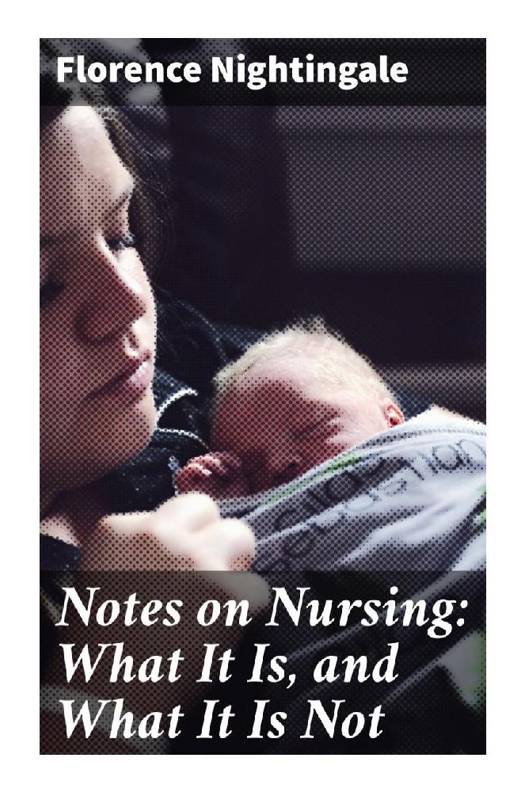
In "Notes on Nursing: What It Is, and What It Is Not," Florence Nightingale articulates her groundbreaking perspectives on patient care and the importance of a conducive healing environment. Written in a clear and accessible style, this seminal work breaks down the principles of nursing, distinguishing it from mere medical treatment. Nightingale combines her extensive knowledge of statistics with observations from her experiences during the Crimean War, highlighting aspects such as sanitation, nutrition, and emotional support, which are often overlooked in traditional medical discourse. Florence Nightingale, a pioneering statistician and reformer, fundamentally transformed the nursing profession. Motivated by her own experiences of observing the deplorable conditions of hospitals, she sought to improve patient outcomes through practical nursing education and compassionate care. Nightingale's dedication to service and her revolutionary statistical insights, particularly regarding the impact of sanitary conditions on mortality rates, provide a context for her advocacy within this work, ultimately leading to the establishment of professional nursing as a recognized field. This book is essential for anyone interested in healthcare, nursing, or public health. Nightingale's work not only serves as a foundational text in nursing education but also presents timeless principles that resonate in contemporary discussions surrounding patient care and healthcare reform. It is indispensable reading for scholars, practitioners, and anyone passionate about the ethics and practice of nursing.
Specificaties
Betrokkenen
- Auteur(s):
- Uitgeverij:
Inhoud
- Taal:
- Engels
Eigenschappen
- Productcode (EAN):
- 9788027286201
- Uitvoering:
- Paperback
- Afmetingen:
- 152 mm x 229 mm
- Gewicht:
- 153 g



Alleen bij Standaard Boekhandel
+ 18 punten op je klantenkaart van Standaard Boekhandel
Cadeau

AANGERADEN


Beoordelingen
We publiceren alleen reviews die voldoen aan de voorwaarden voor reviews. Bekijk onze voorwaarden voor reviews.