


- Afhalen na 1 uur in een winkel met voorraad
- Gratis thuislevering in België vanaf € 30
- Ruim aanbod met 7 miljoen producten
- Afhalen na 1 uur in een winkel met voorraad
- Gratis thuislevering in België vanaf € 30
- Ruim aanbod met 7 miljoen producten





Omschrijving
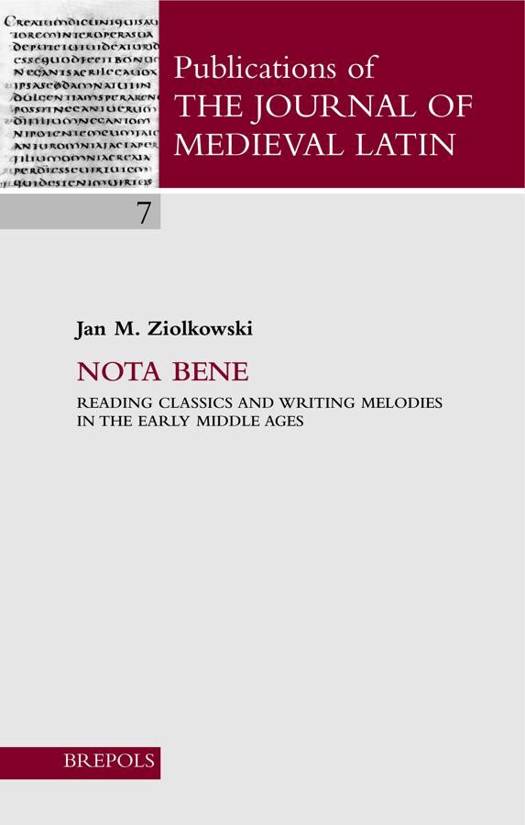
Nota Bene explores a little-known juxtaposition of verbal text and musical notation in the Middle Ages. This particular intersection deserves attention from those interested in music, the reception of classical Latin literature, the history of education, and the development of punctuation. Between the late tenth century and the late twelfth century, the musical notation known as neumes was provided in dozens of manuscripts for, among other texts, a number of Horace's Odes as well as for sections of epics by Lucan, Statius, and Vergil. These materials constitute a paradoxical corpus of "classical poems in plainchant" that complicates our views of both how students learned Latin and what was being sung in an era most often associated with Gregorian chant. The book wrestles first with the literary-historical puzzle of why certain passages and not others were "neumed" and later with the ethnomusicological riddles of how, where, when, and by whom the passages were sung.
Specificaties
Betrokkenen
- Auteur(s):
- Uitgeverij:
Inhoud
- Aantal bladzijden:
- 362
- Taal:
- Frans
- Reeks:
- Reeksnummer:
- nr. 7
Eigenschappen
- Productcode (EAN):
- 9782503525341
- Verschijningsdatum:
- 30/04/2007
- Uitvoering:
- Paperback
- Formaat:
- Trade paperback (VS)
- Afmetingen:
- 164 mm x 249 mm
- Gewicht:
- 707 g



Alleen bij Standaard Boekhandel
+ 127 punten op je klantenkaart van Standaard Boekhandel
AANGERADEN


Beoordelingen
We publiceren alleen reviews die voldoen aan de voorwaarden voor reviews. Bekijk onze voorwaarden voor reviews.