


- Afhalen na 1 uur in een winkel met voorraad
- Gratis thuislevering in België vanaf € 30
- Ruim aanbod met 7 miljoen producten
- Afhalen na 1 uur in een winkel met voorraad
- Gratis thuislevering in België vanaf € 30
- Ruim aanbod met 7 miljoen producten





€ 74,45
+ 148 punten
Omschrijving
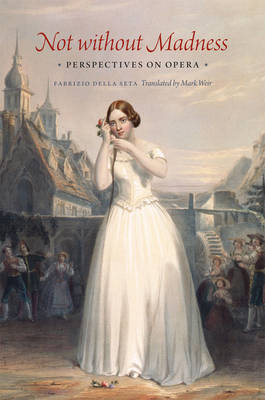
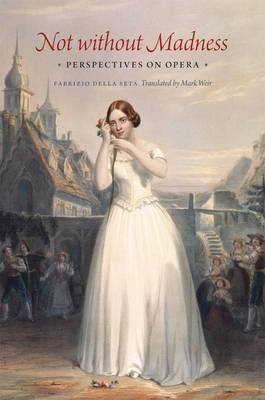
Opera often seems to arouse either irrational enthusiasm or visceral dislike. Such madness, as Goethe wrote, is indispensable in all theater, and yet in practice, sentiment and passion must be balanced by sense and reason. Exploring this tension between madness and reason, Not without Madness presents new analytical approaches to thinking about eighteenth- and nineteenth-century opera through the lenses of its historical and cultural contexts. In these twelve essays, Fabrizio Della Seta explores the concept of opera as a dramatic event and an essential moment in the history of theater. Examining the meaning of opera and the devices that produce and transmit this meaning, he looks at the complex verbal, musical, and scenic mechanisms in parts of La sonnambula, Ernani, Aida, Le nozze di Figaro, Macbeth, and Il trovatore. He argues that approaches to the study of opera must address performance, interpretation, composition, reception, and cultural ramifications. Purely musical analysis does not make sense unless we take into account music's dramatic function. Containing many essays available for the first time in English, Not without Madness bridges recent divisions in opera studies and will attract musicologists, musicians, and opera lovers alike.
Specificaties
Betrokkenen
- Auteur(s):
- Vertaler(s):
- Uitgeverij:
Inhoud
- Aantal bladzijden:
- 320
- Taal:
- Engels
Eigenschappen
- Productcode (EAN):
- 9780226749143
- Verschijningsdatum:
- 22/11/2012
- Uitvoering:
- Hardcover
- Formaat:
- Genaaid
- Afmetingen:
- 155 mm x 229 mm
- Gewicht:
- 589 g


Alleen bij Standaard Boekhandel
+ 148 punten op je klantenkaart van Standaard Boekhandel
Cadeau

AANGERADEN


Beoordelingen
We publiceren alleen reviews die voldoen aan de voorwaarden voor reviews. Bekijk onze voorwaarden voor reviews.