


- Afhalen na 1 uur in een winkel met voorraad
- Gratis thuislevering in België vanaf € 30
- Ruim aanbod met 7 miljoen producten
- Afhalen na 1 uur in een winkel met voorraad
- Gratis thuislevering in België vanaf € 30
- Ruim aanbod met 7 miljoen producten





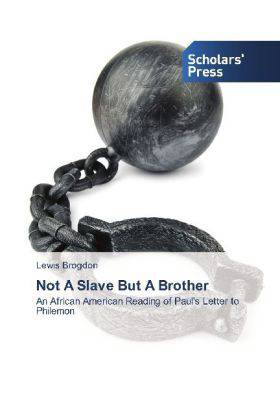
Not A Slave But A Brother
An African American Reading of Paul's Letter to Philemon
Lewis Brogdon
Paperback | Engels
€ 91,45
+ 182 punten
Omschrijving
For over a thousand years, the letter to Philemon has been interpreted as Paul sending a pilfering slave back to his good Christian master with hopes that he will now be treated as a brother. This interpretation is a critical part of the church's support of slavery in America during the eighteenth and nineteenth century. Enslaved Africans were encouraged not to run away and seek freedom because of this interpretation of Paul's actions. Because of this, many African Americans have either rejected or ignored this letter for over a century. In contrast, Lewis Brogdon argues that Paul was doing something subversive and radical. By interpreting this letter within the emerging field of African American Biblical Interpretation and the experience of slaves who are viewed as useless and excluded in the church, he seeks to provide both a liberating and challenging reading of this text that does not begin with a pilfering runaway slave but rather with an unconverted slave in the house of a Christian master. The problem is with Philemon. So Paul writes this letter to challenge Philemon to deepen his understanding of koinonia and open him to new opportunities for fellowship and relationship.
Specificaties
Betrokkenen
- Auteur(s):
- Uitgeverij:
Inhoud
- Aantal bladzijden:
- 224
- Taal:
- Engels
Eigenschappen
- Productcode (EAN):
- 9783639511666
- Verschijningsdatum:
- 5/02/2013
- Uitvoering:
- Paperback
- Afmetingen:
- 150 mm x 220 mm
- Gewicht:
- 315 g


Alleen bij Standaard Boekhandel
+ 182 punten op je klantenkaart van Standaard Boekhandel

Beoordelingen
We publiceren alleen reviews die voldoen aan de voorwaarden voor reviews. Bekijk onze voorwaarden voor reviews.