


- Afhalen na 1 uur in een winkel met voorraad
- Gratis thuislevering in België vanaf € 30
- Ruim aanbod met 7 miljoen producten
- Afhalen na 1 uur in een winkel met voorraad
- Gratis thuislevering in België vanaf € 30
- Ruim aanbod met 7 miljoen producten





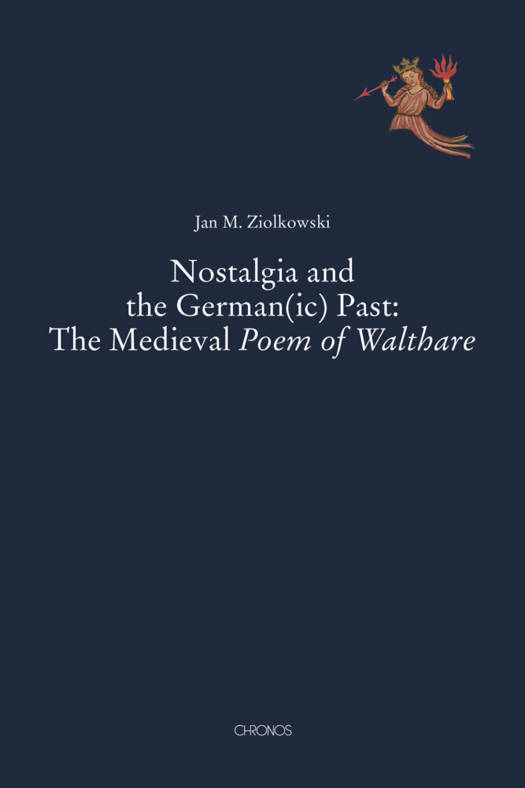
Nostalgia and the German(ic) Past: The Medieval Poem of Walthare
Jan M. Ziolkowski
Paperback | Engels
€ 14,95
+ 29 punten
Omschrijving
Has nostalgia existed forever or only since a given date? The word is first attested in 1688, but the experience of homesickness for a specific place, time, or both may be universal among human beings. Today nostalgia receivesextensive scrutiny, in mass media as well as in scholarship. Longing for the Middle Ages has been regarded as sometimes dangerous for political reasons. Suspicion has grown about nostalgia for and in the medieval period: consider the furor over the term Anglo-Saxon. The Medieval Latin Poem of Walthare, better known as the Waltharius, cries out for a share of attention.This essay situates the Poem of Walthare within nostalgia studies. The examination reviews the many different types of nostalgia that have been identified lately. Alongside private and collective, it touches on the role of consumerism and the politicization of nostalgia, especially by (neo-) Nazis, white supremacists, and their opponents. At the same time, the studydelves into the earlier medical view of nostalgia: this syndrome was diagnosed among Swiss mercenaries in the late seventeenth century.The recent debates have interesting consequences for the short medieval epic, which is rooted in the events of a distant Germanic past, which produced legends of exiles who yearned for their homes and peoples. Yet the Latin of the Middle Ages does not fit naturally within modern national languages and literatures. Since the late eighteenth century, the poem has beencoordinated with early medieval German culture. Jacob Grimm, who played a foundational role in this research, paid heed to the longing for a German homeland that he felt. Joseph Victor von Scheffel had his own nostalgia for long-ago Saint Gall.
Specificaties
Betrokkenen
- Auteur(s):
- Uitgeverij:
Inhoud
- Taal:
- Engels
Eigenschappen
- Productcode (EAN):
- 9783034017664
- Verschijningsdatum:
- 7/05/2024
- Uitvoering:
- Paperback
- Afmetingen:
- 172 mm x 19 mm
- Gewicht:
- 122 g


Alleen bij Standaard Boekhandel
+ 29 punten op je klantenkaart van Standaard Boekhandel
Cadeau

AANGERADEN


Beoordelingen
We publiceren alleen reviews die voldoen aan de voorwaarden voor reviews. Bekijk onze voorwaarden voor reviews.