Standaard Boekhandel gebruikt cookies en gelijkaardige technologieën om de website goed te laten werken en je een betere surfervaring te bezorgen.
Hieronder kan je kiezen welke cookies je wilt inschakelen:
Technische en functionele cookies
Deze cookies zijn essentieel om de website goed te laten functioneren, en laten je toe om bijvoorbeeld in te loggen. Je kan deze cookies niet uitschakelen.
Analytische cookies
Deze cookies verzamelen anonieme informatie over het gebruik van onze website. Op die manier kunnen we de website beter afstemmen op de behoeften van de gebruikers.
Marketingcookies
Deze cookies delen je gedrag op onze website met externe partijen, zodat je op externe platformen relevantere advertenties van Standaard Boekhandel te zien krijgt.
Je cadeautjes zeker op tijd in huis hebben voor de feestdagen? Kom langs in onze winkels en vind het perfecte geschenk!
Afhalen na 1 uur in een winkel met voorraad
Gratis thuislevering in België vanaf € 30
Ruim aanbod met 7 miljoen producten
Je cadeautjes zeker op tijd in huis hebben voor de feestdagen? Kom langs in onze winkels en vind het perfecte geschenk!
Je kan maximaal 250 producten tegelijk aan je winkelmandje toevoegen. Verwijdere enkele producten uit je winkelmandje, of splits je bestelling op in meerdere bestellingen.
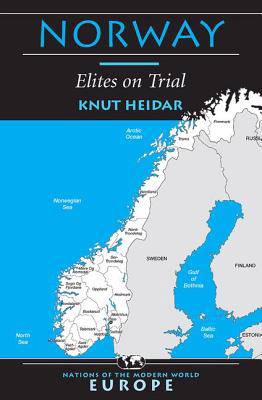
Norway is by history and culture very much a Scandinavian nation with its own unique profile. This book analyzes the factors that have shaped the sociocultural fabric of Norwegian politics. One of the most important themes Heidar analyzes is the power of the periphery, both in social as well as geographic terms. In the geographic sense, Norway is a small nation, and although it has been able to remain economically and politically stable, it is situated on the European flank. It is therefore dependent upon and vulnerable to external economic and political developments. In critical periods of its history, Norway's size has made it an object rather than an initiator of change. In the social sense, Norway has existed as a ?periphery nation?. It is this multi-dimensional center-periphery situation that has been crucial in shaping institutional structures and practices. Another theme that Heidar explores is Norway's enduring egalitarian culture. This book focuses on the primacy of politics in Norway and the role played by the nineteenth-century peasant movement and the twentieth-century labor movement in shaping modern Norway. Today, political and cultural traditions are challenged by the force of globalization. Norway is defined as a stable, parliamentary, multiparty system with a social democratic tradition. It was named a Choice Outstanding Academic Book of 2001.