


- Afhalen na 1 uur in een winkel met voorraad
- Gratis thuislevering in België vanaf € 30
- Ruim aanbod met 7 miljoen producten
- Afhalen na 1 uur in een winkel met voorraad
- Gratis thuislevering in België vanaf € 30
- Ruim aanbod met 7 miljoen producten





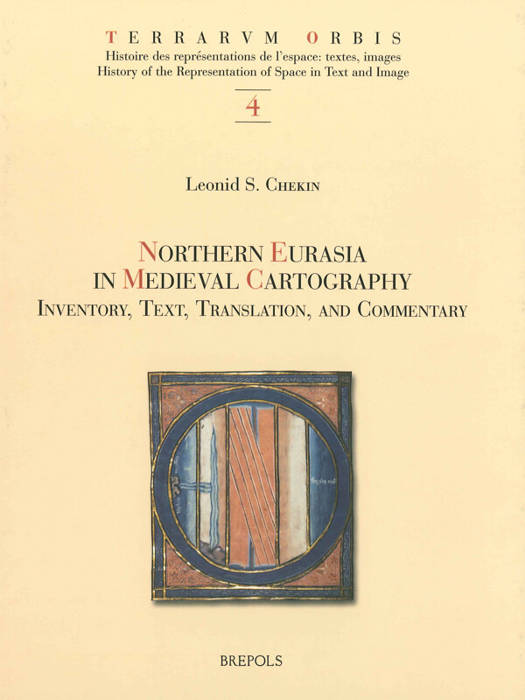
Northern Eurasia in Medieval Cartography
Inventory, Texts, Translation, and Commentary
Leonid S. Chekin
€ 63,60
+ 127 punten
Omschrijving
Scythia and the islands in the ocean, the farthest northern and northeastern regions of the world known to ancient and medieval geographers, roughly correspond to modern-day Scandinavia, Russia, eastern Europe, and central Asia. Those areas figured prominently in cartography of the Middle Ages. The mythical island of Scandza, the land of the Amazons, the apocalyptic tribes of Gog and Magog, and other traditional symbols of chaos and barbarity existed side by side and often merged with new knowledge about people, cities, and states. The book, originally published in Russian as Kartografiia khristianskogo srednevekovia (Moscow: Vostochnaia literatura, 1999), offers an analysis of 198 Western European and Byzantine maps that date between the eighth and thirteenth centuries and contain information about the north and northeast of the inhabited world. The maps are divided into fifteen groups. Each group of maps is discussed in its separate chapter and all the relevant place names and other legends on the maps are transcribed and translated into English. Included in the book are comprehensive glossaries, which comprise the names of persons, places, ethnicities, and animals, and provide commentaries on the cartographic legends. The book features reproductions of individual maps and their details.
Specificaties
Betrokkenen
- Auteur(s):
- Uitgeverij:
Inhoud
- Aantal bladzijden:
- 498
- Taal:
- Frans
- Reeks:
- Reeksnummer:
- nr. 4
Eigenschappen
- Productcode (EAN):
- 9782503514727
- Verschijningsdatum:
- 27/02/2006
- Uitvoering:
- Hardcover
- Formaat:
- Genaaid
- Afmetingen:
- 219 mm x 277 mm
- Gewicht:
- 1909 g


Alleen bij Standaard Boekhandel
+ 127 punten op je klantenkaart van Standaard Boekhandel
Cadeau

AANGERADEN


Beoordelingen
We publiceren alleen reviews die voldoen aan de voorwaarden voor reviews. Bekijk onze voorwaarden voor reviews.