


- Afhalen na 1 uur in een winkel met voorraad
- Gratis thuislevering in België vanaf € 30
- Ruim aanbod met 7 miljoen producten
- Afhalen na 1 uur in een winkel met voorraad
- Gratis thuislevering in België vanaf € 30
- Ruim aanbod met 7 miljoen producten





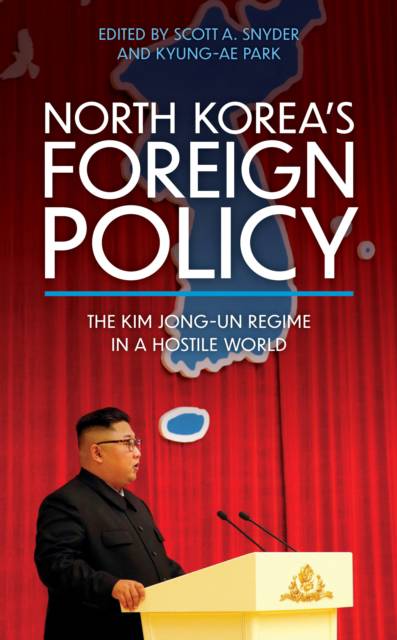
North Korea's Foreign Policy
The Kim Jong-Un Regime in a Hostile World
€ 203,95
+ 407 punten
Omschrijving
Since Kim Jong-un's assumption of power in December 2011, North Korea has undergone expanded nuclear development, political isolation, and economic stagnation. Kim's early prioritization of the byungjin policy, simultaneous economic and military or nuclear development, highlighted his goal of transforming North Korea's domestic economic circumstances and strengthening its position in the world as a nuclear state. The central dilemma shaping Kim Jong-un's foreign policy throughout his first decade in power revolves around ensuring North Korea's prosperity and security while sustaining the political isolation and control necessary for regime survival. In order to evaluate North Korea's foreign policy under Kim, this volume will examine the impact of domestic factors that have influenced the formation and implementation of Kim's foreign policy, Kim's distinctive use of summitry and effectiveness of such meetings as an instrument by which to attain foreign policy goals, and the impact of international responses to North Korea's pursuit of nuclear capabilities on North Korea's foreign policy.
Specificaties
Betrokkenen
- Uitgeverij:
Inhoud
- Aantal bladzijden:
- 304
- Taal:
- Engels
- Reeks:
Eigenschappen
- Productcode (EAN):
- 9781538160299
- Verschijningsdatum:
- 14/11/2022
- Uitvoering:
- Hardcover
- Formaat:
- Genaaid
- Afmetingen:
- 152 mm x 229 mm
- Gewicht:
- 616 g

Alleen bij Standaard Boekhandel
+ 407 punten op je klantenkaart van Standaard Boekhandel
Cadeau

AANGERADEN


Beoordelingen
We publiceren alleen reviews die voldoen aan de voorwaarden voor reviews. Bekijk onze voorwaarden voor reviews.