


- Afhalen na 1 uur in een winkel met voorraad
- Gratis thuislevering in België vanaf € 30
- Ruim aanbod met 7 miljoen producten
- Afhalen na 1 uur in een winkel met voorraad
- Gratis thuislevering in België vanaf € 30
- Ruim aanbod met 7 miljoen producten





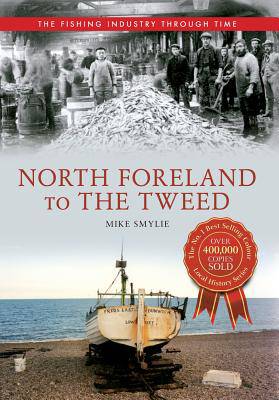
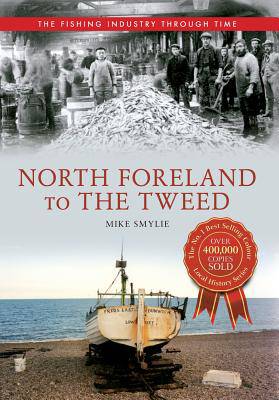
North Foreland to the Tweed the Fishing Industry Through Time
Mike Smylie
€ 20,95
+ 41 punten
Eenvoudig bestellen
Veilig betalen


Gratis thuislevering vanaf € 30 (via bpost)
Gratis levering in je Standaard Boekhandel
Omschrijving
Since Britain joined the European Economic Community in the mid-1970s, the fishing industry along our coasts has been under pressure from overfishing. Mike Smylie takes us on a tour of England's North Sea coast, taking the reader to harbours that you could once walk over on the hundreds of fishing boats, and to east coast beaches and rivers that boasted their own fishing fleets. Each area of the coast had its unique boats, built for local conditions, as well as methods of catching the fish. From North Foreland on Kent's Isle of Thanet to the River Tweed, Mike Smylie shows us the fishermen and women on shore and at sea, their boats, and the harbours, and tells us of the methods used to catch fish. He also documents the changes in and decline of the industry, from the times when it employed hundreds of thousands of working people.
Specificaties
Betrokkenen
- Auteur(s):
- Uitgeverij:
Inhoud
- Aantal bladzijden:
- 96
- Taal:
- Engels
- Reeks:
Eigenschappen
- Productcode (EAN):
- 9781445614564
- Verschijningsdatum:
- 15/10/2014
- Uitvoering:
- Paperback
- Formaat:
- Trade paperback (VS)
- Afmetingen:
- 165 mm x 234 mm
- Gewicht:
- 307 g


Alleen bij Standaard Boekhandel
+ 41 punten op je klantenkaart van Standaard Boekhandel
CADEAU

AANGERADEN


Beoordelingen
We publiceren alleen reviews die voldoen aan de voorwaarden voor reviews. Bekijk onze voorwaarden voor reviews.