


- Afhalen na 1 uur in een winkel met voorraad
- Gratis thuislevering in België vanaf € 30
- Ruim aanbod met 7 miljoen producten
- Afhalen na 1 uur in een winkel met voorraad
- Gratis thuislevering in België vanaf € 30
- Ruim aanbod met 7 miljoen producten





€ 13,88
+ 13 punten
Uitvoering
Omschrijving
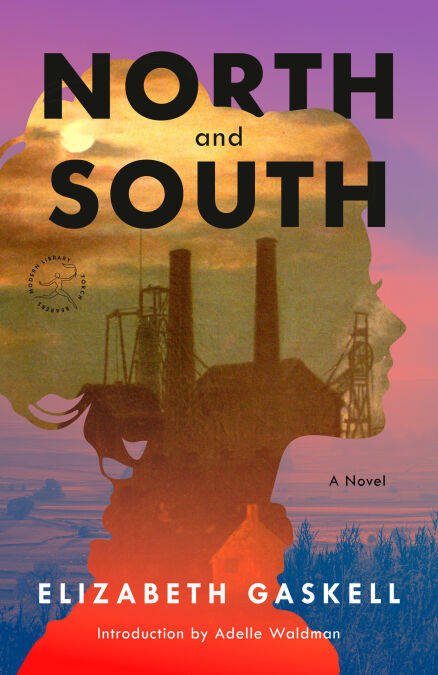
Elizabeth Gaskell’s beloved Victorian classic examines social class, integrity, and the tensions between solidarity and autonomy, through the lens of England’s Industrial Revolution—freshly presented with an introduction by bestselling author Adelle Waldman
Nineteen-year-old Margaret Hale is devastated when her father unexpectedly gives up their family’s financial security and their picturesque country home in southern England for the dingy northern manufacturing city of Milton. Raised among high London society, Margaret is horrified by the north—full of clattering machinery; a surly, plain-spoken populace; and a bitter class divide between factory owners and workers.
Fitting neatly into neither class, Margaret moves on the outskirts of both circles—meeting the brusque, rigidly-principled factory owner Mr. Thornton, as well as the union leader Mr. Higgins and his invalid daughter Bessy. While Margaret seeks to reconcile her southern upbringing with the north’s ideals of commerce and self-sufficiency, she must also balance her parents’ increasing dependence on her as well as a heavy family secret and her own acute sense of unbelonging.
As Margaret’s pride and ingrained biases tangle with her strong conscience and a growing sense of moral outrage, she clashes again and again in outspoken debates with Mr. Thornton, who comes to admire her despite Margaret’s own disregard. But after the union calls for a town-wide strike, Margaret’s perceptions of her old life and her new home in Milton—and of the people who live there—are shaken to the core.
In this celebrated social classic, Elizabeth Gaskell presents a richly-drawn moral heroine, an aching romance, and an industry town on the knife’s edge of labor revolt—with a prescient insight and empathy that feel more than a century ahead of their time.
Nineteen-year-old Margaret Hale is devastated when her father unexpectedly gives up their family’s financial security and their picturesque country home in southern England for the dingy northern manufacturing city of Milton. Raised among high London society, Margaret is horrified by the north—full of clattering machinery; a surly, plain-spoken populace; and a bitter class divide between factory owners and workers.
Fitting neatly into neither class, Margaret moves on the outskirts of both circles—meeting the brusque, rigidly-principled factory owner Mr. Thornton, as well as the union leader Mr. Higgins and his invalid daughter Bessy. While Margaret seeks to reconcile her southern upbringing with the north’s ideals of commerce and self-sufficiency, she must also balance her parents’ increasing dependence on her as well as a heavy family secret and her own acute sense of unbelonging.
As Margaret’s pride and ingrained biases tangle with her strong conscience and a growing sense of moral outrage, she clashes again and again in outspoken debates with Mr. Thornton, who comes to admire her despite Margaret’s own disregard. But after the union calls for a town-wide strike, Margaret’s perceptions of her old life and her new home in Milton—and of the people who live there—are shaken to the core.
In this celebrated social classic, Elizabeth Gaskell presents a richly-drawn moral heroine, an aching romance, and an industry town on the knife’s edge of labor revolt—with a prescient insight and empathy that feel more than a century ahead of their time.
Specificaties
Betrokkenen
- Auteur(s):
- Uitgeverij:
Inhoud
- Aantal bladzijden:
- 480
- Taal:
- Engels
- Reeks:
Eigenschappen
- Productcode (EAN):
- 9798217197279
- Verschijningsdatum:
- 7/12/2026
- Uitvoering:
- E-book
- Beveiligd met:
- Adobe DRM
- Formaat:
- ePub



Alleen bij Standaard Boekhandel
+ 13 punten op je klantenkaart van Standaard Boekhandel
Cadeau

AANGERADEN


Beoordelingen
We publiceren alleen reviews die voldoen aan de voorwaarden voor reviews. Bekijk onze voorwaarden voor reviews.