



Bedankt voor het vertrouwen het afgelopen jaar! Om jou te bedanken bieden we GRATIS verzending (in België) aan op alles gedurende de hele maand januari.
- Afhalen na 1 uur in een winkel met voorraad
- In januari gratis thuislevering in België
- Ruim aanbod met 7 miljoen producten
Bedankt voor het vertrouwen het afgelopen jaar! Om jou te bedanken bieden we GRATIS verzending (in België) aan op alles gedurende de hele maand januari.
- Afhalen na 1 uur in een winkel met voorraad
- In januari gratis thuislevering in België
- Ruim aanbod met 7 miljoen producten





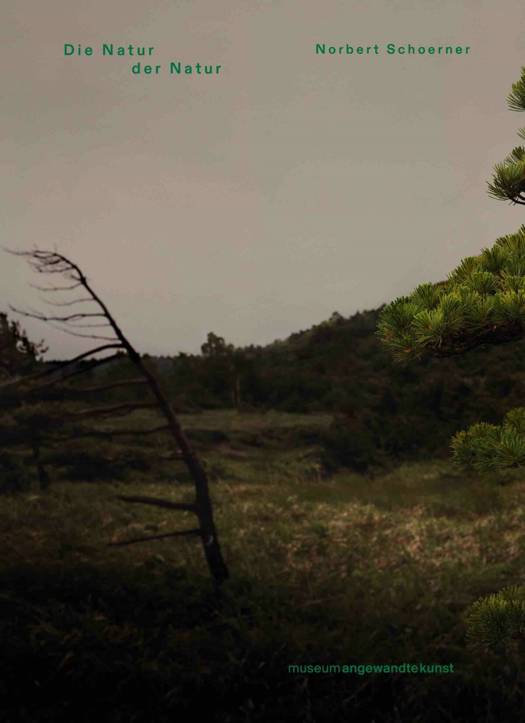
Norbert Schoerner
Die Natur der Natur - Fukushima Project
Tom Morton, Shinichi Nakazawa, Julia Psilitelis
Hardcover | Engels
€ 29,80
+ 59 punten
Omschrijving
The bonsais in Norbert Schoerner's photographs were cultivated by the Abe family who live near Fukushima. For three generations, these masters - Kurakichi, his son Kenichi, and his grandson Daiki - have been growing bonsais from seeds. They use seeds from trees only to be found in the shadow of the volcanic Mount Azuma-Kofuji. By photographing the bonsais there are created dioramic surroundings. This visual event combines different chronologies: The topographic formation of Mount Azuma- Kofuji over the course of several geological epochs, the lifecycle of a bonsai that can span several centuries, the exposure time of a photograph, and finally, the independent existence of this picture in the future. It is impossible to view these works without considering the ecological effects of the catastrophe that occurred in the Fukushima Daiichi Nuclear Power Plant in 2011. The photos provides a direct confrontation with the destructive consequences of this event, and with humanity's attempts to use and control nature for its own purposes.Text: Tom Morton, Shinichi Nakazawa, Julia Psilitelis, Matthias Wagner K.
Specificaties
Betrokkenen
- Auteur(s):
- Uitgeverij:
Inhoud
- Aantal bladzijden:
- 118
- Taal:
- Engels
Eigenschappen
- Productcode (EAN):
- 9783753302454
- Verschijningsdatum:
- 30/06/2022
- Uitvoering:
- Hardcover
- Afmetingen:
- 175 mm x 245 mm
- Gewicht:
- 510 g


Alleen bij Standaard Boekhandel
+ 59 punten op je klantenkaart van Standaard Boekhandel
SOLDEN


Beoordelingen
We publiceren alleen reviews die voldoen aan de voorwaarden voor reviews. Bekijk onze voorwaarden voor reviews.