


- Afhalen na 1 uur in een winkel met voorraad
- Gratis thuislevering in België vanaf € 30
- Ruim aanbod met 7 miljoen producten
- Afhalen na 1 uur in een winkel met voorraad
- Gratis thuislevering in België vanaf € 30
- Ruim aanbod met 7 miljoen producten





€ 162,95
+ 325 punten
Uitvoering
Omschrijving
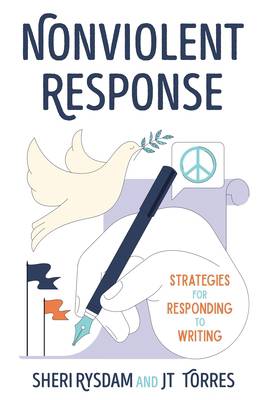
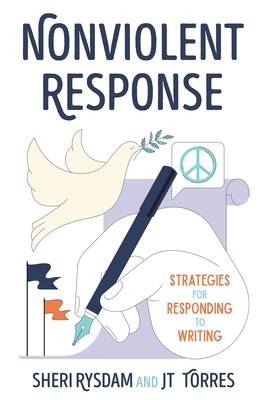
The words teachers write on student work have the power to help students think critically and to hone and project their voices with confidence. They also have the power to shut students down. These words may affect student identity, motivation, and improvement of writing skills. Research suggests that many of the types of comments teachers and other reviewers write on student papers are negative, nonsensical, unhelpful, and even potentially harmful, especially for first-generation, working-class, and otherwise disenfranchised students. This harm can be understood as a form of violence. Nonviolent Response, which is centered on tenets for nonviolent teaching practices, presents an approach to writing responses that helps eliminate harmful affect and integrates efficient, carefully crafted, and clear guidance to writers. Sheri Rysdam and JT Torres offer evidence-based methods for effective, timesaving, motivational responses useful to teachers of writing and other responders or reviewers in professional and public contexts.
Specificaties
Betrokkenen
- Auteur(s):
- Uitgeverij:
Inhoud
- Aantal bladzijden:
- 240
- Taal:
- Engels
- Reeks:
Eigenschappen
- Productcode (EAN):
- 9780822948995
- Verschijningsdatum:
- 19/05/2026
- Uitvoering:
- Hardcover
- Formaat:
- Genaaid
- Afmetingen:
- 140 mm x 216 mm


Alleen bij Standaard Boekhandel
+ 325 punten op je klantenkaart van Standaard Boekhandel
Cadeau

AANGERADEN


Beoordelingen
We publiceren alleen reviews die voldoen aan de voorwaarden voor reviews. Bekijk onze voorwaarden voor reviews.