



- Afhalen na 1 uur in een winkel met voorraad
- In januari gratis thuislevering in België
- Ruim aanbod met 7 miljoen producten
- Afhalen na 1 uur in een winkel met voorraad
- In januari gratis thuislevering in België
- Ruim aanbod met 7 miljoen producten





€ 79,45
+ 158 punten
Omschrijving
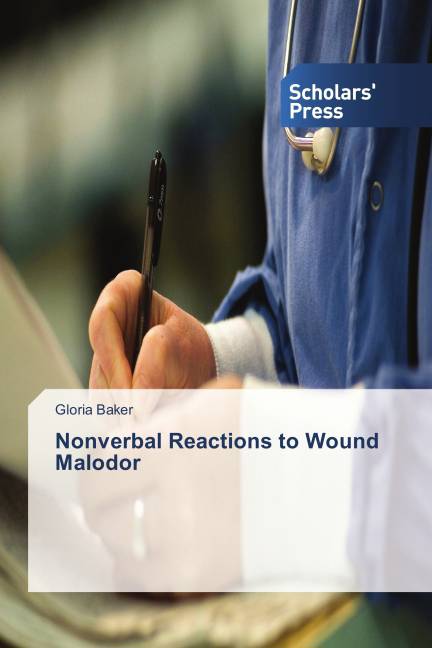
Nurse educators use high fidelity simulation to expose nursing students to various wound characteristics. To facilitate students developing skills in managing malodor,nurse educators have designed simulations including olfactory realism. However,little is known about how nursing students react to malodor in simulation. This book reports an observational study using qualitative descriptive methodology to document nursing students nonverbal reactions to malodor in simulation.A coding scheme using the Facial Action Coding System(FACS) was drawn from the literature and revised with nonverbal behavior codes which emerged during data analysis. Content analysis of participants nonverbal reactions to malodor revealed three themes of reactions: Noticing, Confirming, and Focusing. Additionally, nonverbal reactions embedded in the three themes seemed to cluster into two patterns of behaviors: physical reactions and psychosocial reactions.
Specificaties
Betrokkenen
- Auteur(s):
- Uitgeverij:
Inhoud
- Aantal bladzijden:
- 120
- Taal:
- Engels
Eigenschappen
- Productcode (EAN):
- 9783639716788
- Verschijningsdatum:
- 14/07/2014
- Uitvoering:
- Paperback
- Afmetingen:
- 150 mm x 220 mm
- Gewicht:
- 186 g


Alleen bij Standaard Boekhandel
+ 158 punten op je klantenkaart van Standaard Boekhandel
Cadeau

AANGERADEN


Beoordelingen
We publiceren alleen reviews die voldoen aan de voorwaarden voor reviews. Bekijk onze voorwaarden voor reviews.