


- Afhalen na 1 uur in een winkel met voorraad
- Gratis thuislevering in België vanaf € 30
- Ruim aanbod met 7 miljoen producten
- Afhalen na 1 uur in een winkel met voorraad
- Gratis thuislevering in België vanaf € 30
- Ruim aanbod met 7 miljoen producten





€ 99,95
+ 199 punten
Uitvoering
Omschrijving
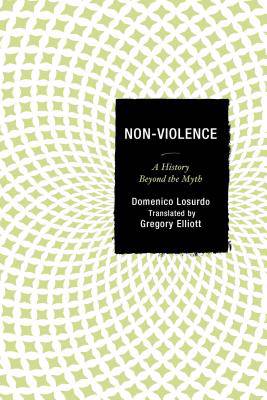
We know of the blood and tears provoked by the projects of transformation of the world through war or revolution. Starting from the essay published in 1921 by Walter Benjamin, twentieth century philosophy has been committed to the criticism of violence, even when it has claimed to follow noble ends. But what do we know of the dilemmas, of the "betrayals," of the disappointments and tragedies which the movement of non-violence has suffered? This book tells a fascinating history: from the American Christian organizations in the first decades of the nineteenth century who wanted to eliminate slavery and war in a non-violent way, to the protagonists of movements--Thoreau, Tolstoy, Gandhi, Capitini, M. L. King, the Dalai Lama--who either for idealism or for political calculation flew the flag of non-violence, up to the leaders of today's "color revolutions."
Specificaties
Betrokkenen
- Auteur(s):
- Vertaler(s):
- Uitgeverij:
Inhoud
- Aantal bladzijden:
- 246
- Taal:
- Engels
Eigenschappen
- Productcode (EAN):
- 9781498502214
- Verschijningsdatum:
- 24/04/2017
- Uitvoering:
- Paperback
- Formaat:
- Trade paperback (VS)
- Afmetingen:
- 150 mm x 224 mm
- Gewicht:
- 340 g


Alleen bij Standaard Boekhandel
+ 199 punten op je klantenkaart van Standaard Boekhandel
Cadeau

AANGERADEN


Beoordelingen
We publiceren alleen reviews die voldoen aan de voorwaarden voor reviews. Bekijk onze voorwaarden voor reviews.