


- Afhalen na 1 uur in een winkel met voorraad
- Gratis thuislevering in België vanaf € 30
- Ruim aanbod met 7 miljoen producten
- Afhalen na 1 uur in een winkel met voorraad
- Gratis thuislevering in België vanaf € 30
- Ruim aanbod met 7 miljoen producten




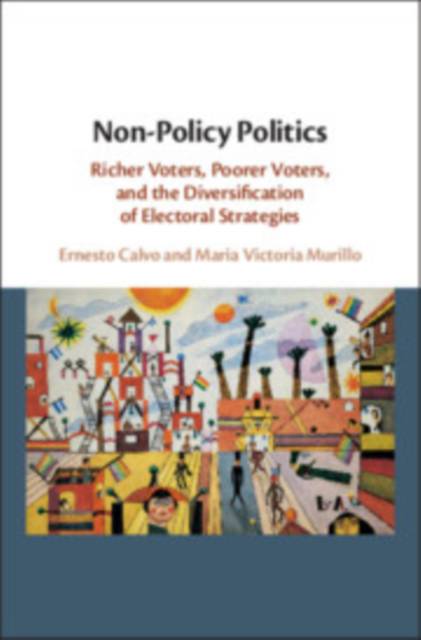
Non-Policy Politics
Richer Voters, Poorer Voters, and the Diversification of Electoral Strategies
Ernesto Calvo, Maria Victoria Murillo
Paperback | Engels
€ 61,95
+ 123 punten
Omschrijving
Calvo and Murillo consider the non-policy benefits that voters consider when deciding their vote. While parties advertise policies, they also deliver non-policy benefits in the form of competent economic management, constituency service, and patronage jobs. Different from much of the existing research, which focuses on the implementation of policy or on the delivery of clientelistic benefits, this book provides a unified view of how politicians deliver broad portfolios of policy and non-policy benefits to their constituency. The authors' theory shows how these non-policy resources also shape parties' ideological positions and which type of electoral offers they target to poorer or richer voters. With exhaustive empirical work, both qualitative and quantitative, the research documents how linkages between parties and voters shape the delivery of non-policy benefits in Argentina and Chile.
Specificaties
Betrokkenen
- Auteur(s):
- Uitgeverij:
Inhoud
- Aantal bladzijden:
- 310
- Taal:
- Engels
Eigenschappen
- Productcode (EAN):
- 9781108739405
- Verschijningsdatum:
- 28/03/2019
- Uitvoering:
- Paperback
- Formaat:
- Trade paperback (VS)
- Afmetingen:
- 251 mm x 231 mm
- Gewicht:
- 453 g


Alleen bij Standaard Boekhandel
+ 123 punten op je klantenkaart van Standaard Boekhandel
AANGERADEN


Beoordelingen
We publiceren alleen reviews die voldoen aan de voorwaarden voor reviews. Bekijk onze voorwaarden voor reviews.