


- Afhalen na 1 uur in een winkel met voorraad
- Gratis thuislevering in België vanaf € 30
- Ruim aanbod met 7 miljoen producten
- Afhalen na 1 uur in een winkel met voorraad
- Gratis thuislevering in België vanaf € 30
- Ruim aanbod met 7 miljoen producten





€ 32,45
Uitvoering
Omschrijving
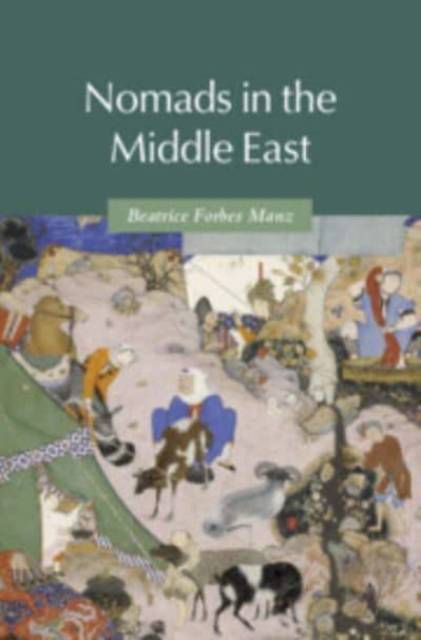
A history of pastoral nomads in the Islamic Middle East from the rise of Islam, through the middle periods when Mongols and Turks ruled most of the region, to the decline of nomadism in the twentieth century. Offering a vivid insight into the impact of nomads on the politics, culture, and ideology of the region, Beatrice Forbes Manz examines and challenges existing perceptions of these nomads, including the popular cyclical model of nomad-settled interaction developed by Ibn Khaldun. Looking at both the Arab Bedouin and the nomads from the Eurasian steppe, Manz demonstrates the significance of Bedouin and Turco-Mongolian contributions to cultural production and political ideology in the Middle East, and shows the central role played by pastoral nomads in war, trade, and state-building throughout history. Nomads provided horses and soldiers for war, the livestock and guidance which made long-distance trade possible, and animal products to provision the region's growing cities.
Specificaties
Betrokkenen
- Auteur(s):
- Uitgeverij:
Inhoud
- Aantal bladzijden:
- 294
- Taal:
- Engels
- Reeks:
Eigenschappen
- Productcode (EAN):
- 9780521531634
- Verschijningsdatum:
- 2/12/2021
- Uitvoering:
- Paperback
- Formaat:
- Trade paperback (VS)
- Afmetingen:
- 203 mm x 226 mm
- Gewicht:
- 408 g


Alleen bij Standaard Boekhandel
Cadeau

AANGERADEN


Beoordelingen
We publiceren alleen reviews die voldoen aan de voorwaarden voor reviews. Bekijk onze voorwaarden voor reviews.