


- Afhalen na 1 uur in een winkel met voorraad
- Gratis thuislevering in België vanaf € 30
- Ruim aanbod met 7 miljoen producten
- Afhalen na 1 uur in een winkel met voorraad
- Gratis thuislevering in België vanaf € 30
- Ruim aanbod met 7 miljoen producten





€ 322,45
+ 644 punten
Uitvoering
Omschrijving
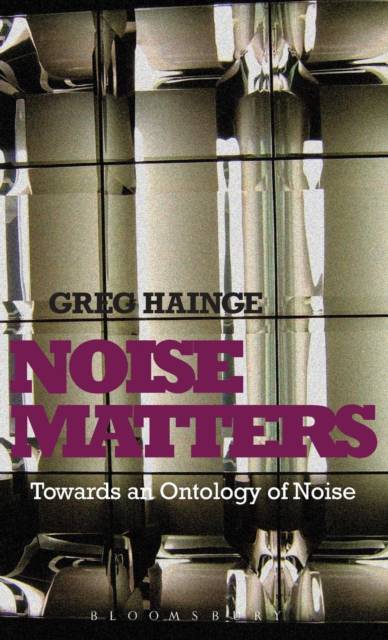
Everyone knows what noise is. Or do they? Can we in fact say that one man's noise is another teenager's music? Is noise in fact only an auditory phenomenon or does it extend far beyond this realm? If our common definitions of noise are necessarily subjective and noise is not just unpleasant sound, then it merits a closer look (or listen).
Greg Hainge sets out to define noise in this way, to find within it a series of operations common across its multiple manifestations that allow us to apprehend it as something other than a highly subjective term that tells us very little. Examining a wide range of texts, including Sartre's novel Nausea and David Lynch's iconic films Eraserhead and Inland Empire, Hainge investigates some of the Twentieth Century's most infamous noisemongers to suggest that they're not that noisy after all; and it finds true noise in some surprising places. The result is a thrilling and illuminating study of sound and culture.Specificaties
Betrokkenen
- Auteur(s):
- Uitgeverij:
Inhoud
- Aantal bladzijden:
- 240
- Taal:
- Engels
Eigenschappen
- Productcode (EAN):
- 9781441160461
- Verschijningsdatum:
- 28/02/2013
- Uitvoering:
- Hardcover
- Formaat:
- Genaaid
- Afmetingen:
- 150 mm x 218 mm
- Gewicht:
- 521 g


Alleen bij Standaard Boekhandel
+ 644 punten op je klantenkaart van Standaard Boekhandel
Cadeau

AANGERADEN


Beoordelingen
We publiceren alleen reviews die voldoen aan de voorwaarden voor reviews. Bekijk onze voorwaarden voor reviews.