


- Afhalen na 1 uur in een winkel met voorraad
- Gratis thuislevering in België vanaf € 30
- Ruim aanbod met 7 miljoen producten
- Afhalen na 1 uur in een winkel met voorraad
- Gratis thuislevering in België vanaf € 30
- Ruim aanbod met 7 miljoen producten





Omschrijving
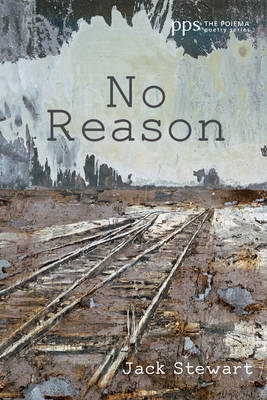
Jack Stewart's No Reason explores the relationship between faith, art, and the everyday, identifying the holy in both the imagined and the common. The poems about paintings as diverse as El Greco's Holy Family and Mary Magdalene, Sisley's Snow at Veneux, and Turner's Burning of the House of Lords meditate upon the lives outside of the canvases. For Stewart, narratives do not end at the frame's edge. Other poems reimagine biblical narratives, as Stewart sees Adam, Eve, Lot's wife, and Job still among us. In No Reason, Jesus is most fully divine when he is fully human. Interspersed with these poems are ones from Stewart's own life, his unwillingness to believe that this world is all there is (his angels not only pity Adam and Eve, but get tangled in the branches of elm trees or are embarrassed when caught humming just after the air conditioner quits) and his conviction that, at its most accessible, grace grows out of doubt: "You lift your face / When you can't go on."
Specificaties
Betrokkenen
- Auteur(s):
- Uitgeverij:
Inhoud
- Aantal bladzijden:
- 84
- Taal:
- Engels
- Reeks:
Eigenschappen
- Productcode (EAN):
- 9781725267800
- Verschijningsdatum:
- 4/09/2020
- Uitvoering:
- Paperback
- Formaat:
- Trade paperback (VS)
- Afmetingen:
- 152 mm x 229 mm
- Gewicht:
- 136 g


Alleen bij Standaard Boekhandel
+ 36 punten op je klantenkaart van Standaard Boekhandel
Cadeau

AANGERADEN


Beoordelingen
We publiceren alleen reviews die voldoen aan de voorwaarden voor reviews. Bekijk onze voorwaarden voor reviews.