


- Afhalen na 1 uur in een winkel met voorraad
- Gratis thuislevering in België vanaf € 30
- Ruim aanbod met 7 miljoen producten
- Afhalen na 1 uur in een winkel met voorraad
- Gratis thuislevering in België vanaf € 30
- Ruim aanbod met 7 miljoen producten





€ 303,95
+ 607 punten
Uitvoering
Omschrijving
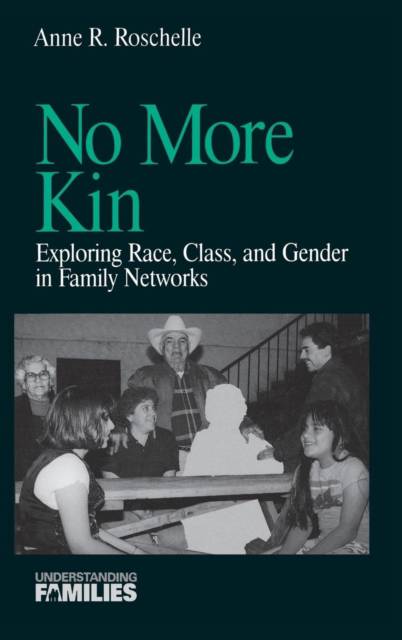
Black and Latino families are in fact highly family-oriented and want to be involved in exchange networks but, because they are economically disenfranchised, they are prevented from participation. The vitriolic debate on welfare reform currently sweeping the nation assumes that if institutional mechanisms of social support are eliminated, impoverished families will simply rely on an extensive web of kinship networks for their survival. The political discourse surrounding poverty and welfare reform has an increasingly racial undertone. Implementation of social policy that presupposes the availability of family safety nets in minority communities could have disastrous consequences for many without extended kin networks. Many scholars and political analysts assume that thriving kin and non-kin social support networks continue to characterize minority family life. Policy recommendations based on these underlying assumptions may lead to the implementation of harmful social policy. No More Kin examines extended kinship networks among African American, Chicano, Puerto-Rican, and non-Hispanic white families in contemporary America and seeks to provide an integrated theoretical framework for examining how the simultaneity of gender, race, and class oppression affects minority family organization. Breaking new ground in a variety of fields, No More Kin is sure to become a valuable resource for students and professionals in family studies, gender studies, and race/ethnic studies.
Specificaties
Betrokkenen
- Auteur(s):
- Uitgeverij:
Inhoud
- Aantal bladzijden:
- 256
- Taal:
- Engels
- Reeks:
- Reeksnummer:
- nr. 8
Eigenschappen
- Productcode (EAN):
- 9780761901587
- Verschijningsdatum:
- 21/04/1997
- Uitvoering:
- Hardcover
- Formaat:
- Genaaid
- Afmetingen:
- 151 mm x 235 mm
- Gewicht:
- 517 g



Alleen bij Standaard Boekhandel
+ 607 punten op je klantenkaart van Standaard Boekhandel
Cadeau

AANGERADEN


Beoordelingen
We publiceren alleen reviews die voldoen aan de voorwaarden voor reviews. Bekijk onze voorwaarden voor reviews.