


- Afhalen na 1 uur in een winkel met voorraad
- Gratis thuislevering in België vanaf € 30
- Ruim aanbod met 7 miljoen producten
- Afhalen na 1 uur in een winkel met voorraad
- Gratis thuislevering in België vanaf € 30
- Ruim aanbod met 7 miljoen producten





€ 78,00
+ 156 punten
Omschrijving
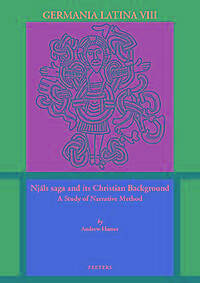
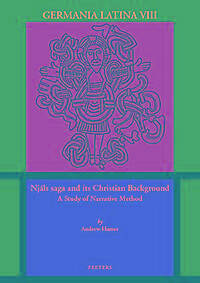
Njals saga is universally recognised as the greatest and most complex of all the sagas of Icelanders (Islendingasogur). The originality with which the writer composed his narrative has led to its being likened to a novel created by an author who certainly used sources, although identifying which parts of the saga descend from oral and which from written sources has proved difficult. The 'Christian background' of the title of this study refers to the ecclesiastical texts (including Scripture and its exegesis, church liturgy and the liturgical year, and hagiographical and apocryphal writings) which, it is argued, were used by the author of Njals saga as he both created a bipartite structure, using familiar Christian metaphors to help unify the work; and developed his central thematic concern: that good legal judgement depends upon justice and mercy acting together, as in divine judgement. It is this which finally redeems Skarphedinn Njalsson.
Specificaties
Betrokkenen
- Auteur(s):
- Uitgeverij:
Inhoud
- Aantal bladzijden:
- 308
- Taal:
- Engels
- Reeks:
- Reeksnummer:
- nr. 20
Eigenschappen
- Productcode (EAN):
- 9789042930896
- Verschijningsdatum:
- 31/12/2014
- Uitvoering:
- Paperback
- Formaat:
- Trade paperback (VS)
- Afmetingen:
- 170 mm x 239 mm
- Gewicht:
- 725 g


Alleen bij Standaard Boekhandel
+ 156 punten op je klantenkaart van Standaard Boekhandel
Cadeau

AANGERADEN


Beoordelingen
We publiceren alleen reviews die voldoen aan de voorwaarden voor reviews. Bekijk onze voorwaarden voor reviews.