


- Afhalen na 1 uur in een winkel met voorraad
- Gratis thuislevering in België vanaf € 30
- Ruim aanbod met 7 miljoen producten
- Afhalen na 1 uur in een winkel met voorraad
- Gratis thuislevering in België vanaf € 30
- Ruim aanbod met 7 miljoen producten





€ 81,45
+ 162 punten
Eenvoudig bestellen
Veilig betalen


Gratis thuislevering vanaf € 30 (via bpost)
Gratis levering in je Standaard Boekhandel
Omschrijving
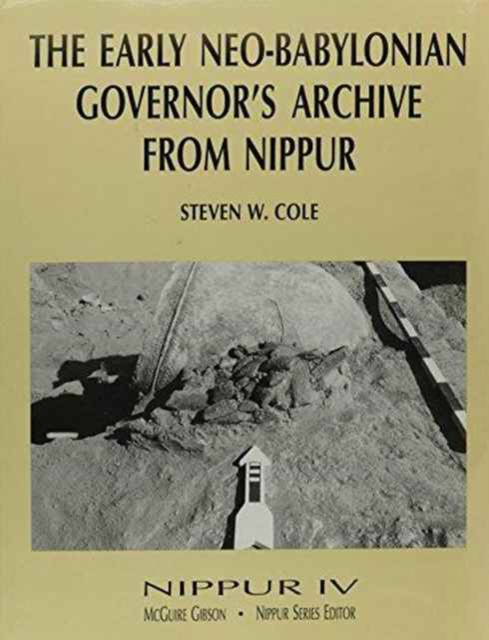
One autumn day in 1973, at the Oriental Institute's excavations at Nippur in south central Iraq, a workman rising from eating his lunch in one of the site's trenches brushed the balk against which he had been sitting, revealing a number of tablets. These tablets proved to be part of the packing around a huge pottery jar containing the skeleton of a child. The remains of 128 inscribed clay tablets were found, some broken into fragments. The inscriptions turned out to be written in a previously unknown early Neo-Babylonian script dating back to the middle of the eighth century b.c., a virtual dark age in the history of southern Mesopotamia. Included in this group of documents is an archive of 113 letters, the only known group of letters from Babylonia dated in the half millennium between 1225 and 725 b.c. These unique texts, which the author has called the "Governor's Archive," represent the largest and most significant group of documents from Babylonia from this period. They are particularly important because they predate the letters sent to the kings of Assyria in Nineveh, and because they are the only known documents written by Babylonians to Babylonians during this entire 500 year period. They illuminate a new historical situation, and provide a rare view of the Babylonian countryside during a period of weak governmental control. They give a unique perspective on one town's relations with the surrounding tribal populations. The only comparable material comes from Mari a thousand years earlier. The author presents copies, transliterations, and translations of all the documents, along with a lengthy introduction, catalogs, philological commentaries, exhaustive glossaries, and comprehensive indices.
Specificaties
Betrokkenen
- Auteur(s):
- Uitgeverij:
Inhoud
- Aantal bladzijden:
- 458
- Taal:
- Engels
- Reeks:
- Reeksnummer:
- nr. 114
Eigenschappen
- Productcode (EAN):
- 9781885923035
- Verschijningsdatum:
- 1/12/1996
- Uitvoering:
- Hardcover
- Formaat:
- Genaaid
- Afmetingen:
- 229 mm x 305 mm
- Gewicht:
- 1270 g


Alleen bij Standaard Boekhandel
+ 162 punten op je klantenkaart van Standaard Boekhandel
CADEAU

AANGERADEN


Beoordelingen
We publiceren alleen reviews die voldoen aan de voorwaarden voor reviews. Bekijk onze voorwaarden voor reviews.