


- Afhalen na 1 uur in een winkel met voorraad
- Gratis thuislevering in België vanaf € 30
- Ruim aanbod met 7 miljoen producten
- Afhalen na 1 uur in een winkel met voorraad
- Gratis thuislevering in België vanaf € 30
- Ruim aanbod met 7 miljoen producten





Omschrijving
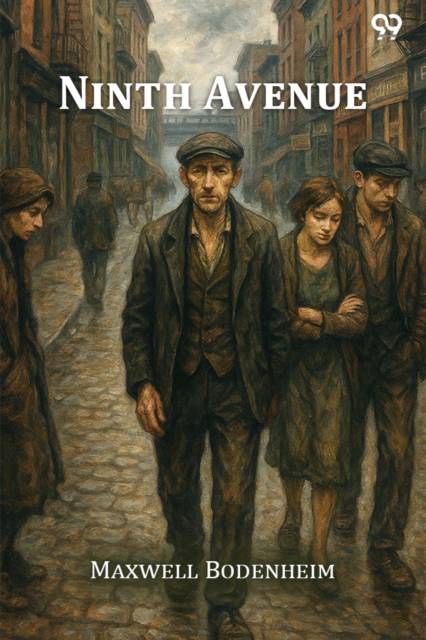
Ninth avenue explores the contradictions of urban ambition and constrained identity through the perspective of a family inhabiting a restless city. The narrative places social division and personal dissatisfaction at its core, blending everyday experiences with discontent and fleeting aspirations. Amid an environment marked by noise, movement, and economic pressure, individuals confront the dual forces of hope and reality. Domestic tensions rise not just from generational disagreements but from conflicting ideals about love, survival, and personal freedom. Internal conflict becomes inseparable from external hardship, and aspirations are shaped by the physical and social landscape of the city. The depiction of daily life shows a constant negotiation between opportunity and disappointment, where individuals seek validation through relationships, status, or rebellion. The novel's perspective emphasizes the limits placed on desire and autonomy by class, gender roles, and family loyalty. Settings contribute significantly to the emotional tone, reinforcing the feeling of confinement or fleeting release. The emotional distance between individuals, even within households, speaks to a larger alienation woven into the structure of city living. The result is a portrayal of people searching for meaning amid fatigue, emotional ambiguity, and cultural fragmentation.
Specificaties
Betrokkenen
- Auteur(s):
- Uitgeverij:
Inhoud
- Aantal bladzijden:
- 154
- Taal:
- Engels
Eigenschappen
- Productcode (EAN):
- 9789371464536
- Verschijningsdatum:
- 1/06/2025
- Uitvoering:
- Paperback
- Formaat:
- Trade paperback (VS)
- Afmetingen:
- 140 mm x 216 mm
- Gewicht:
- 185 g



Alleen bij Standaard Boekhandel
+ 47 punten op je klantenkaart van Standaard Boekhandel
CADEAU


Beoordelingen
We publiceren alleen reviews die voldoen aan de voorwaarden voor reviews. Bekijk onze voorwaarden voor reviews.