


- Afhalen na 1 uur in een winkel met voorraad
- Gratis thuislevering in België vanaf € 30
- Ruim aanbod met 7 miljoen producten
- Afhalen na 1 uur in een winkel met voorraad
- Gratis thuislevering in België vanaf € 30
- Ruim aanbod met 7 miljoen producten





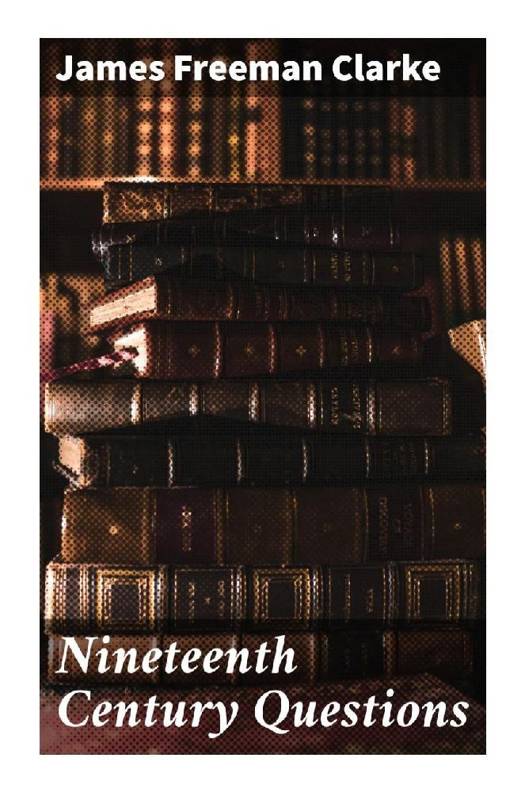
Nineteenth Century Questions
Essays on Unitarian Faith, Reason, Social Progress, and Liberal Christian Thought
James Freeman Clarke
Paperback | Engels
€ 10,95
+ 21 punten
Eenvoudig bestellen
Veilig betalen


Gratis thuislevering vanaf € 30 (via bpost)
Gratis levering in je Standaard Boekhandel
Omschrijving
Nineteenth Century Questions gathers James Freeman Clarke's reflective essays on the intellectual and moral problems that pressed upon modern religious life: faith and reason, social progress, historical criticism, democratic responsibility, and the ethical meaning of Christianity. Written in a lucid, sermonic, yet conversational prose, the book belongs to the liberal Protestant and Transcendentalist milieu of nineteenth-century New England, where inherited doctrines were being tested by science, reform, and comparative religion. Clarke was a prominent Unitarian minister, reformer, and friend of figures associated with American Transcendentalism. His career in ministry, education, abolitionist sympathy, and interreligious study shaped his habit of treating theology not as dogma alone but as a living response to contemporary civilization. This volume reflects a thinker seeking to reconcile spiritual conviction with intellectual openness. Readers interested in American religious liberalism, Victorian-era moral debate, or the cultural history of modern faith will find this book especially rewarding. Clarke writes for thoughtful readers who wish to understand how the nineteenth century questioned tradition while still searching for moral order, hope, and humane belief.
Specificaties
Betrokkenen
- Auteur(s):
- Uitgeverij:
Inhoud
- Taal:
- Engels
Eigenschappen
- Productcode (EAN):
- 9788027289264
- Uitvoering:
- Paperback
- Afmetingen:
- 152 mm x 229 mm
- Gewicht:
- 209 g


Alleen bij Standaard Boekhandel
+ 21 punten op je klantenkaart van Standaard Boekhandel
CADEAU

AANGERADEN


Beoordelingen
We publiceren alleen reviews die voldoen aan de voorwaarden voor reviews. Bekijk onze voorwaarden voor reviews.