


- Afhalen na 1 uur in een winkel met voorraad
- Gratis thuislevering in België vanaf € 30
- Ruim aanbod met 7 miljoen producten
- Afhalen na 1 uur in een winkel met voorraad
- Gratis thuislevering in België vanaf € 30
- Ruim aanbod met 7 miljoen producten





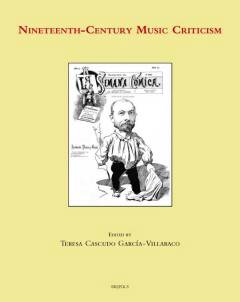
Nineteenth-Century Music Criticism
Teresa Cascudo
€ 127,20
+ 254 punten
Omschrijving
The long nineteenth century encompasses what has been described by some authors as newspaper civilization. Music was fundamental for many men and women who lived during that century. Not surprisingly, at this time, music was a common theme in the press. On the one hand, news, chronicles and criticism played a central part in the musical market, since the success of that market was predicated on the dissemination of information about performers, musical events and new repertoires. On the other hand, as we have observed, the prominence of music opened the door to new types of critical reflection in longer essays. Writings about music in those years were the result of artistic aspirations and preferences; the same writings also present evidence of prejudices and modes of perception marked by specific ideological issues. This volume collects twenty-two articles that address these issues, focusing on case studies in Europe and America. The collection reflects the growing importance of music criticism in particular and the press in general as objects of study for contemporary musicology.
Specificaties
Betrokkenen
- Auteur(s):
- Uitgeverij:
Inhoud
- Aantal bladzijden:
- 552
- Taal:
- Engels
- Reeks:
- Reeksnummer:
- nr. 3
Eigenschappen
- Productcode (EAN):
- 9782503574974
- Verschijningsdatum:
- 25/07/2017
- Uitvoering:
- Hardcover
- Formaat:
- Genaaid
- Afmetingen:
- 213 mm x 269 mm
- Gewicht:
- 1474 g


Alleen bij Standaard Boekhandel
+ 254 punten op je klantenkaart van Standaard Boekhandel
Cadeau

AANGERADEN


Beoordelingen
We publiceren alleen reviews die voldoen aan de voorwaarden voor reviews. Bekijk onze voorwaarden voor reviews.