


- Afhalen na 1 uur in een winkel met voorraad
- Gratis thuislevering in België vanaf € 30
- Ruim aanbod met 7 miljoen producten
- Afhalen na 1 uur in een winkel met voorraad
- Gratis thuislevering in België vanaf € 30
- Ruim aanbod met 7 miljoen producten





Omschrijving
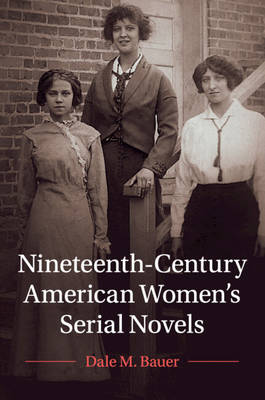
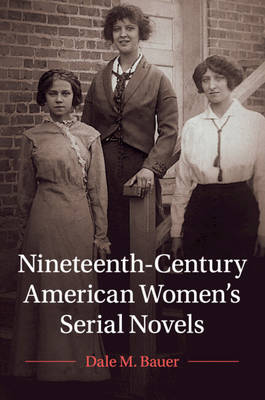
Nineteenth-Century American Women's Serial Novels explores the prolific careers of four exemplary novelists - E. D. E. N. Southworth, Ann Stephens, Mary Jane Holmes, and Laura Jean Libbey. These commercially successful writers helped to shape the popular tradition of serial magazine fiction by drawing on readers' tastes along with their cultural concerns. Their astonishing productivity led magazine editors and publishers to return to them repeatedly for more serials to be turned into even more novels, even as they reprinted these fictions under new titles. Dale M. Bauer analyzes how serials deployed the repetition of plots and the traumas representing the sources of women's anxieties and pain. Arguing that these novels provided temporary resolutions to the social, economic, and psychological tensions that readers faced, Bauer explains how this otherwise forgotten archive of fiction now offers an extraordinarily expanded range of women's literary effort from the nineteenth to the twentieth century.
Specificaties
Betrokkenen
- Auteur(s):
- Uitgeverij:
Inhoud
- Aantal bladzijden:
- 198
- Taal:
- Engels
- Reeks:
- Reeksnummer:
- nr. 183
Eigenschappen
- Productcode (EAN):
- 9781108707930
- Verschijningsdatum:
- 23/10/2025
- Uitvoering:
- Paperback
- Formaat:
- Trade paperback (VS)
- Afmetingen:
- 152 mm x 229 mm
- Gewicht:
- 267 g


Alleen bij Standaard Boekhandel
+ 129 punten op je klantenkaart van Standaard Boekhandel
Cadeau

AANGERADEN


Beoordelingen
We publiceren alleen reviews die voldoen aan de voorwaarden voor reviews. Bekijk onze voorwaarden voor reviews.