


- Afhalen na 1 uur in een winkel met voorraad
- Gratis thuislevering in België vanaf € 30
- Ruim aanbod met 7 miljoen producten
- Afhalen na 1 uur in een winkel met voorraad
- Gratis thuislevering in België vanaf € 30
- Ruim aanbod met 7 miljoen producten





€ 203,95
+ 407 punten
Omschrijving
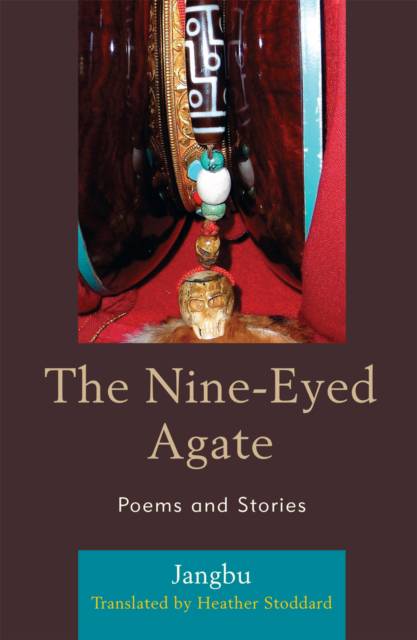
The Nine-Eyed Agate seeks to break stereotyped images of Tibet and Tibetans inside the PRC today, and in the diaspora, by presenting an outstanding personality who survived childhood during the Cultural Revolution, then going on to lead a rich and somewhat controversial career within the PRC. As a free-wheeling, restless traveller in samsara (the cycle of existence), Jangbu has explored every corner of the Tibetan plateau with a view to understanding the culture and history of his people, their plight, and the key issues that Tibet faces today. Widely read in world literature through Chinese translation he has traveled around the world, attending international poetry meetings and film festivals, taking part in university conferences and developing his passion for film. This rich diversity is reflected in his poems and prose, the subject matter ranging through eternal themes such as love and betrayal, fantasy and 'magical realism', mystical flight and biting social satire. His poetry is experimental, presenting a panorama of styles with examples in modern free-verse, classical Indo-Tibetan metrical poetics (though this is rare), and more characteristically, in the dense "obscure" poetry of the post-Cultural Revolution years in China (1980s onwards), for which Jangbu is particularly well known. His work is often semi-autobiographical, written in a "docu-fictional" mode, announcing Jangbu's growing fascination for the screen.
Specificaties
Betrokkenen
- Auteur(s):
- Vertaler(s):
- Uitgeverij:
Inhoud
- Aantal bladzijden:
- 228
- Taal:
- Engels
- Reeks:
Eigenschappen
- Productcode (EAN):
- 9780739128756
- Verschijningsdatum:
- 16/08/2010
- Uitvoering:
- Hardcover
- Formaat:
- Ongenaaid / garenloos gebonden
- Afmetingen:
- 155 mm x 231 mm
- Gewicht:
- 476 g


Alleen bij Standaard Boekhandel
+ 407 punten op je klantenkaart van Standaard Boekhandel
Cadeau

AANGERADEN


Beoordelingen
We publiceren alleen reviews die voldoen aan de voorwaarden voor reviews. Bekijk onze voorwaarden voor reviews.