


- Afhalen na 1 uur in een winkel met voorraad
- Gratis thuislevering in België vanaf € 30
- Ruim aanbod met 7 miljoen producten
- Afhalen na 1 uur in een winkel met voorraad
- Gratis thuislevering in België vanaf € 30
- Ruim aanbod met 7 miljoen producten





€ 106,45
+ 212 punten
Omschrijving
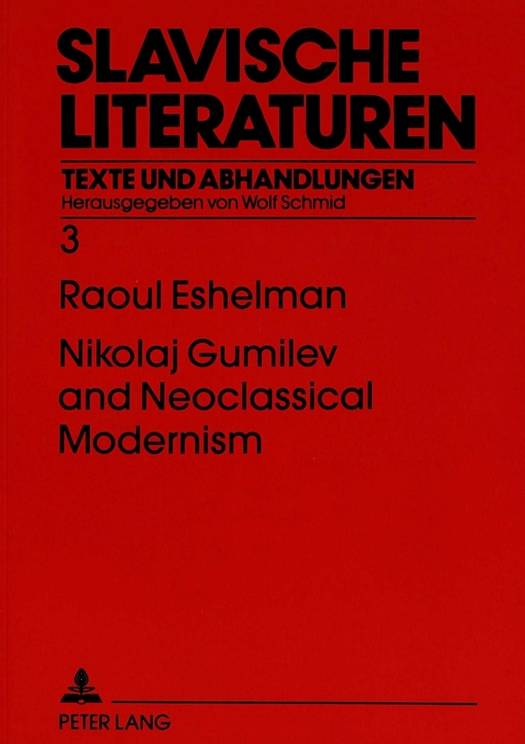
Nikolaj Gumilev occupies a paradoxical place within the history of Russian modernism. Although he is well known as the founder of Acmeism and is regarded as an important poet and critic, much of his work is difficult to reconcile with prevailing concepts of modernism. The present study seeks to explain this marginal position by reinterpreting Gumilev's work within the broader context of a modernist aesthetic of order, or «neo-classical modernism.» The term refers to an aesthetic line within modernism that sought to reconcile certain features of traditional rhetoric - in particular the triadic style system - with modernist strategies of innovation. Although primarily devoted to Gumilev, the study also touches on Russian and French writers adhering to comparable aesthetic values, among them Annenskij, Kuzmin, Gautier, Leconte de Lisle, Valéry and Gide.
Specificaties
Betrokkenen
- Auteur(s):
- Uitgeverij:
Inhoud
- Aantal bladzijden:
- 160
- Taal:
- Engels
- Reeks:
- Reeksnummer:
- nr. 3
Eigenschappen
- Productcode (EAN):
- 9783631459058
- Verschijningsdatum:
- 1/03/1993
- Uitvoering:
- Paperback
- Formaat:
- Trade paperback (VS)
- Afmetingen:
- 148 mm x 210 mm
- Gewicht:
- 219 g


Alleen bij Standaard Boekhandel
+ 212 punten op je klantenkaart van Standaard Boekhandel
Wedstrijd


Beoordelingen
We publiceren alleen reviews die voldoen aan de voorwaarden voor reviews. Bekijk onze voorwaarden voor reviews.