


- Afhalen na 1 uur in een winkel met voorraad
- Gratis thuislevering in België vanaf € 30
- Ruim aanbod met 7 miljoen producten
- Afhalen na 1 uur in een winkel met voorraad
- Gratis thuislevering in België vanaf € 30
- Ruim aanbod met 7 miljoen producten





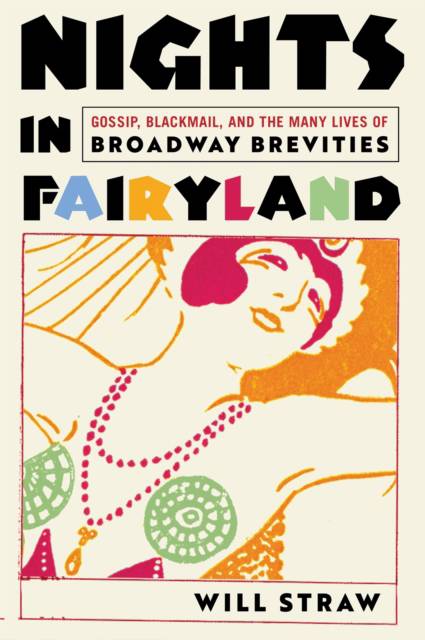
Nights in Fairyland
Gossip, Blackmail, and the Many Lives of "Broadway Brevities"
Will Straw
Paperback | Engels
€ 30,45
+ 60 punten
Omschrijving
In 1925 the publishers of Broadway Brevities were tried for running an extortion operation targeting New York's social and cultural elites. While the first version of the magazine whispered gossip in columnists' suggestive innuendo, later incarnations shouted bold accusations in graphic tabloid headlines. On the pages of Broadway Brevities gossip was instrumentalized and urbanized, taking its place among the noisy, sensational features of city life.
The life of the magazine's long-time editor, Canadian-born Stephen G. Clow, runs through this story, connecting the different incarnations of the magazine and the circles in which they were published (in New York, 1917-34, and later in Toronto). Clow's career took him from Manhattan's literary world, in his role as a critic and book publisher, to notoriety as a scandal-mongering editor. Beginning in the 1920s Clow gathered - or fabricated - allegations about high-profile people in theatre, cinema, and enterprise, then threatened to publish unless they paid up. Clow would brag to Time magazine that he was "the most famous and wicked blackmailer in world history." Broadway Brevities became infamous for sensational, vicious, and lurid coverage of gay life. Despite its mocking homophobia, Will Straw shows, the magazine can today help reconstitute the spaces and places of historical queer life in New York. Drawing on a singular collection of Brevities issues discovered over decades of research, Nights in Fairyland is a rich account of an overlooked form of periodical publishing and of urban nightlife, queer sociability, and the commodification of gossip in the 1920s and 1930s.Specificaties
Betrokkenen
- Auteur(s):
- Uitgeverij:
Inhoud
- Aantal bladzijden:
- 296
- Taal:
- Engels
Eigenschappen
- Productcode (EAN):
- 9780228026594
- Verschijningsdatum:
- 13/01/2026
- Uitvoering:
- Paperback
- Formaat:
- Trade paperback (VS)
- Afmetingen:
- 150 mm x 224 mm
- Gewicht:
- 453 g



Alleen bij Standaard Boekhandel
+ 60 punten op je klantenkaart van Standaard Boekhandel
Cadeau

AANGERADEN


Beoordelingen
We publiceren alleen reviews die voldoen aan de voorwaarden voor reviews. Bekijk onze voorwaarden voor reviews.