


- Afhalen na 1 uur in een winkel met voorraad
- Gratis thuislevering in België vanaf € 30
- Ruim aanbod met 7 miljoen producten
- Afhalen na 1 uur in een winkel met voorraad
- Gratis thuislevering in België vanaf € 30
- Ruim aanbod met 7 miljoen producten





€ 25,45
+ 50 punten
Omschrijving
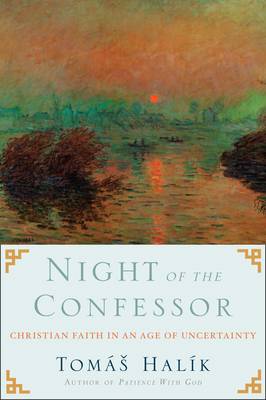
Tomás Halík is a wise guide for the post-Christian era, and never more so than in his latest work, a thought-provoking and powerful reflection on the relationship between faith, paradox, change, and resurrection.
As the challenges of cultural secularization and dwindling congregation size confront religious communities across North America and Europe, and the Catholic Church in particular, Tomás Halík is a prophetic voice of hope. He has lived through the political oppression and intolerance of religion that defined Communist Czechoslovakia, and he draws from this experience to remind readers that not only does crisis lead to deeper understanding but also that any living religion is a changing religion. The central messages of Christianity have always seemed impossible, from peace and forgiveness in the face of a harsh world to love and self-sacrifice despite human selfishness to the victory of resurrection through the defeat of the cross. Acceptance of paradox therefore is the way forward, Halík explains. It is a difficult way that offers an unclear immediate future, but it is ultimately the only honest way.
As the challenges of cultural secularization and dwindling congregation size confront religious communities across North America and Europe, and the Catholic Church in particular, Tomás Halík is a prophetic voice of hope. He has lived through the political oppression and intolerance of religion that defined Communist Czechoslovakia, and he draws from this experience to remind readers that not only does crisis lead to deeper understanding but also that any living religion is a changing religion. The central messages of Christianity have always seemed impossible, from peace and forgiveness in the face of a harsh world to love and self-sacrifice despite human selfishness to the victory of resurrection through the defeat of the cross. Acceptance of paradox therefore is the way forward, Halík explains. It is a difficult way that offers an unclear immediate future, but it is ultimately the only honest way.
Specificaties
Betrokkenen
- Auteur(s):
- Uitgeverij:
Inhoud
- Aantal bladzijden:
- 240
- Taal:
- Engels
Eigenschappen
- Productcode (EAN):
- 9780385524520
- Verschijningsdatum:
- 10/01/2012
- Uitvoering:
- Paperback
- Formaat:
- Trade paperback (VS)
- Afmetingen:
- 135 mm x 208 mm
- Gewicht:
- 208 g


Alleen bij Standaard Boekhandel
+ 50 punten op je klantenkaart van Standaard Boekhandel
Cadeau

AANGERADEN


Beoordelingen
We publiceren alleen reviews die voldoen aan de voorwaarden voor reviews. Bekijk onze voorwaarden voor reviews.