



Bedankt voor het vertrouwen het afgelopen jaar! Om jou te bedanken bieden we GRATIS verzending (in België) aan op alles gedurende de hele maand januari.
- Afhalen na 1 uur in een winkel met voorraad
- In januari gratis thuislevering in België
- Ruim aanbod met 7 miljoen producten
Bedankt voor het vertrouwen het afgelopen jaar! Om jou te bedanken bieden we GRATIS verzending (in België) aan op alles gedurende de hele maand januari.
- Afhalen na 1 uur in een winkel met voorraad
- In januari gratis thuislevering in België
- Ruim aanbod met 7 miljoen producten





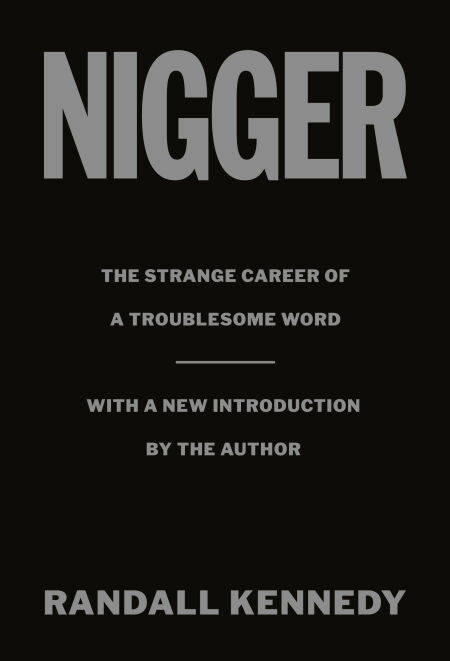
Nigger E-BOOK
The Strange Career of a Troublesome Word - with a New Introduction by the Author
Randall Kennedy
E-book | Engels
€ 5,77
+ 5 punten
Uitvoering
Omschrijving
The twentieth anniversary edition of one of the most controversial books ever published on race and language is now more relevant than ever in this season of racial reckoning.
In addition to a brave and bracing inquiry into the origins, uses, and impact of the infamous word, this edition features an extensive new introduction that addresses major developments in its evolution during the last two decades of its vexed history.
In the new introduction to his classic work, Kennedy questions the claim that “nigger” is the most tabooed term in the American language, faced with the implacable prevalence of its old-fashioned anti-Black sense. “Nigger” continues to be part of the loud soundtrack of the worst instances of racial aggression in American life—racially motivated assaults and murders, arson, intentional infliction of emotional distress, and workplace harassment.
Consider this: twenty years ago, Kennedy wrote that any major politician credibly accused of using “nigger” would be immediately abandoned and ostracized. He was wrong. Donald Trump, former POTUS himself, was credibly charged, and the allegation caused little more than a yawn. No one doubted the accuracy of the claim but amidst all his other racist acts his “nigger-baiting” no longer seemed shocking. “Nigger” is still very much alive and all too widely accepted.
On the other hand, Kennedy is concerned to address the many episodes in which people have been punished for quoting, enunciating, or saying “nigger” in circumstances that should have made it clear that the speakers were doing nothing wrong—or at least nothing sufficiently wrong to merit the extent of the denunciation they suffered.
He discusses, for example, the inquisition of Bill Maher (and his pathetic apology) and the (white) teachers who have been disciplined for reading out loud texts that contain “nigger.” He argues that in assessing these controversies, we ought to be more careful about the use/mention distinction: menacingly calling someone a “nigger” is wholly different than quoting a sentence from a text by James Baldwin or Toni Morrison or Flannery O’Connor or Mark Twain.
Kennedy argues against the proposition that different rules should apply depending upon the race of the speaker of “nigger,” offering stunningly commonsensical reasons for abjuring the erection of such boundaries.
He concludes by venturing a forecast about the likely status of “nigger” in American culture during the next twenty years when we will see the clear ascendance of a so-called “minority majority” body politic—which term itself is redolent of white supremacy.
In addition to a brave and bracing inquiry into the origins, uses, and impact of the infamous word, this edition features an extensive new introduction that addresses major developments in its evolution during the last two decades of its vexed history.
In the new introduction to his classic work, Kennedy questions the claim that “nigger” is the most tabooed term in the American language, faced with the implacable prevalence of its old-fashioned anti-Black sense. “Nigger” continues to be part of the loud soundtrack of the worst instances of racial aggression in American life—racially motivated assaults and murders, arson, intentional infliction of emotional distress, and workplace harassment.
Consider this: twenty years ago, Kennedy wrote that any major politician credibly accused of using “nigger” would be immediately abandoned and ostracized. He was wrong. Donald Trump, former POTUS himself, was credibly charged, and the allegation caused little more than a yawn. No one doubted the accuracy of the claim but amidst all his other racist acts his “nigger-baiting” no longer seemed shocking. “Nigger” is still very much alive and all too widely accepted.
On the other hand, Kennedy is concerned to address the many episodes in which people have been punished for quoting, enunciating, or saying “nigger” in circumstances that should have made it clear that the speakers were doing nothing wrong—or at least nothing sufficiently wrong to merit the extent of the denunciation they suffered.
He discusses, for example, the inquisition of Bill Maher (and his pathetic apology) and the (white) teachers who have been disciplined for reading out loud texts that contain “nigger.” He argues that in assessing these controversies, we ought to be more careful about the use/mention distinction: menacingly calling someone a “nigger” is wholly different than quoting a sentence from a text by James Baldwin or Toni Morrison or Flannery O’Connor or Mark Twain.
Kennedy argues against the proposition that different rules should apply depending upon the race of the speaker of “nigger,” offering stunningly commonsensical reasons for abjuring the erection of such boundaries.
He concludes by venturing a forecast about the likely status of “nigger” in American culture during the next twenty years when we will see the clear ascendance of a so-called “minority majority” body politic—which term itself is redolent of white supremacy.
Specificaties
Betrokkenen
- Auteur(s):
- Uitgeverij:
Inhoud
- Aantal bladzijden:
- 256
- Taal:
- Engels
Eigenschappen
- Productcode (EAN):
- 9780593316757
- Verschijningsdatum:
- 7/02/2022
- Uitvoering:
- E-book
- Beveiligd met:
- Adobe DRM
- Formaat:
- ePub



Alleen bij Standaard Boekhandel
+ 5 punten op je klantenkaart van Standaard Boekhandel
SOLDEN


Beoordelingen
We publiceren alleen reviews die voldoen aan de voorwaarden voor reviews. Bekijk onze voorwaarden voor reviews.