


- Afhalen na 1 uur in een winkel met voorraad
- Gratis thuislevering in België vanaf € 30
- Ruim aanbod met 7 miljoen producten
- Afhalen na 1 uur in een winkel met voorraad
- Gratis thuislevering in België vanaf € 30
- Ruim aanbod met 7 miljoen producten





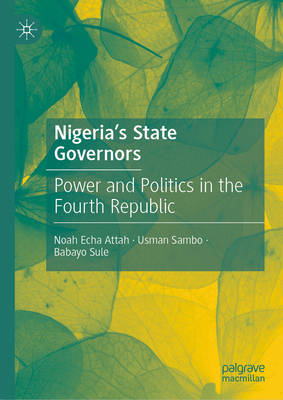
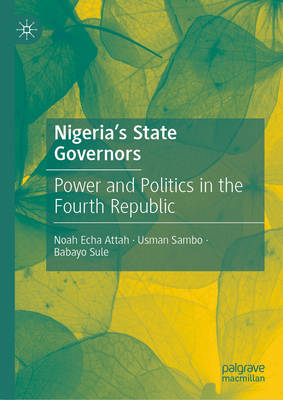
Nigeria's State Governors
Power and Politics in the Fourth Republic
Noah Echa Attah, Usman Sambo, Babayo Sule
Hardcover | Engels
€ 162,45
+ 324 punten
Omschrijving
This book examines how State Governors, the chief executives in the second tier of government in Nigeria's constitutional order, have become the pivotal actors in the Fourth Republic. Following the post-Civil War state creations and the expansion to 36 states in 1996, governors have consolidated their influence over party machinery, candidate selection, and resource control. They also shape presidential tickets in major parties and nominate federal cabinet members, as well as decide who become their successors, a hallmark of godfatherism, in their states. In addition, they influence nominations to the Senate, House of Representatives, and State Houses of Assembly, and dominate local government finances and administration. Since 2007, former governors have routinely emerged as presidential contenders, underscoring their centrality to national politics. Yet, their outsized roles, have seldom been interrogated in Nigeria's political discourse. This detailed examination of gubernatorial authority, tactics, and consequences for democratic progress, governance procedures, and electoral dynamics in the Fourth Republic, fills a gap in the literature.
Specificaties
Betrokkenen
- Auteur(s):
- Uitgeverij:
Inhoud
- Aantal bladzijden:
- 406
- Taal:
- Engels
Eigenschappen
- Productcode (EAN):
- 9783032186782
- Verschijningsdatum:
- 13/04/2026
- Uitvoering:
- Hardcover
- Formaat:
- Genaaid
- Afmetingen:
- 148 mm x 210 mm


Alleen bij Standaard Boekhandel
+ 324 punten op je klantenkaart van Standaard Boekhandel
Cadeau

AANGERADEN


Beoordelingen
We publiceren alleen reviews die voldoen aan de voorwaarden voor reviews. Bekijk onze voorwaarden voor reviews.