


- Afhalen na 1 uur in een winkel met voorraad
- Gratis thuislevering in België vanaf € 30
- Ruim aanbod met 7 miljoen producten
- Afhalen na 1 uur in een winkel met voorraad
- Gratis thuislevering in België vanaf € 30
- Ruim aanbod met 7 miljoen producten





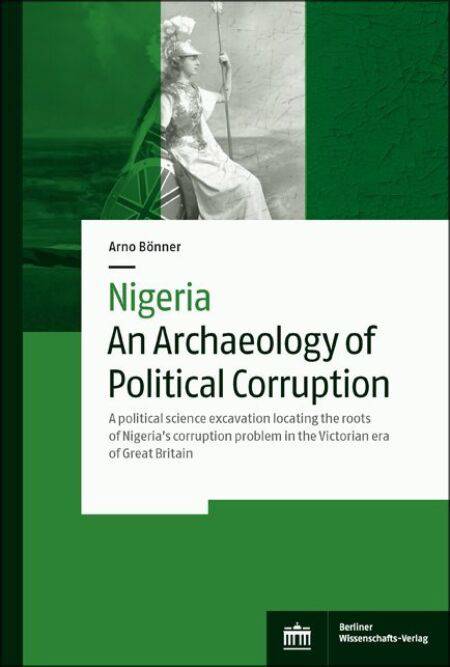
Nigeria – An Archaeology of Political Corruption E-BOOK
A political science excavation locating the roots of Nigeria's corruption problem in the Victorian era of Great Britain
Arno Bönner
E-book | Engels
€ 57,00
+ 57 punten
Omschrijving
Considerable parts of Sub-Saharan Africa were affected by the imperialist expansion of European nations. Nowadays, 25 of the 50 countries at the bottom of Transparency International's latest corruption ranking are from the African continent. This begs the question whether the colonial powers were themselves heavily affected by corruption and "exported" this to Africa. °°Arno Bönner locates the origin of Nigeria's corruption problems in the era of Manchester Liberalism and the continuous presence of foreign companies operating on the territory of Nigeria since the 1880s. His political-scientific study provides further research into the relationships between governance, corruption and monopolistic rule in the broad historical context of the economically liberal Great Britain of the 1830s through to the present-day state of Nigeria. By analyzing the relationship of companies with the Nigerian state and its precolonial precursors over a period of more than 130 years, the author contributes to the formation of a theory of corruption.
Specificaties
Betrokkenen
- Auteur(s):
- Uitgeverij:
Inhoud
- Aantal bladzijden:
- 323
- Taal:
- Engels
Eigenschappen
- Productcode (EAN):
- 9783830540786
- Verschijningsdatum:
- 26/11/2019
- Uitvoering:
- E-book
- Beveiligd met:
- Digital watermarking
- Formaat:


Alleen bij Standaard Boekhandel
+ 57 punten op je klantenkaart van Standaard Boekhandel
Cadeau

AANGERADEN


Beoordelingen
We publiceren alleen reviews die voldoen aan de voorwaarden voor reviews. Bekijk onze voorwaarden voor reviews.