


- Afhalen na 1 uur in een winkel met voorraad
- Gratis thuislevering in België vanaf € 30
- Ruim aanbod met 7 miljoen producten
- Afhalen na 1 uur in een winkel met voorraad
- Gratis thuislevering in België vanaf € 30
- Ruim aanbod met 7 miljoen producten





€ 228,95
+ 457 punten
Omschrijving
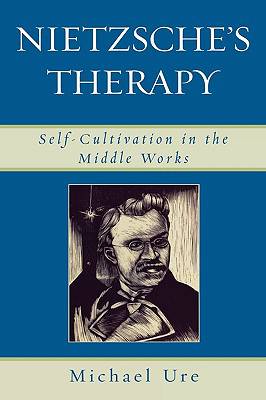
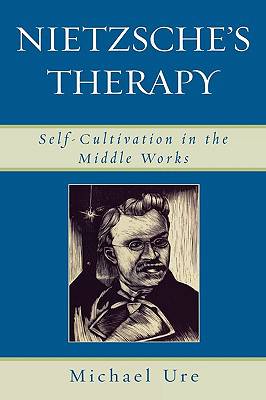
Nietzsche's Therapy examines Nietzsche's middle works in order to challenge those views that dismiss his conception of self-cultivation as a symptom of unadulterated narcissism. It aims to develop a far more balanced and refined conception of his idea of self-cultivation by re-examining the much neglected free-spirit trilogy of Human, All Too Human, Daybreak, and The Gay Science. Contra Nietzsche's critics, it argues that the kind of self-cultivation that draws on the model of Hellenistic and Roman Stoic philosophical therapeia. It suggests that he renovates this therapeutic tradition through his own critical, psychoanalytic insights into narcissism and its transformations. It reconstructs Nietzsche's ethics of self-cultivation in terms of his psychological analysis of the pathological symptoms of narcissism and its healthy or positive transformations. In charting Nietzsche's course from pathological narcissism to mature individualism, Nietzsche's Therapy unpacks the philosophical and psychological basis of his critique of Rousseau and Schopenhauer's ethics of pitié/Mitleid, his use and analysis of comedy and humor in his critical, deflationary treatment of the malady of omnipotence, and his exploration of the idea of friendship as a positive counterpoint to damaged forms of intersubjectivity.
Specificaties
Betrokkenen
- Auteur(s):
- Uitgeverij:
Inhoud
- Aantal bladzijden:
- 284
- Taal:
- Engels
Eigenschappen
- Productcode (EAN):
- 9780739119969
- Verschijningsdatum:
- 1/05/2008
- Uitvoering:
- Hardcover
- Formaat:
- Genaaid
- Afmetingen:
- 162 mm x 228 mm
- Gewicht:
- 544 g


Alleen bij Standaard Boekhandel
+ 457 punten op je klantenkaart van Standaard Boekhandel
Cadeau

AANGERADEN


Beoordelingen
We publiceren alleen reviews die voldoen aan de voorwaarden voor reviews. Bekijk onze voorwaarden voor reviews.