


- Afhalen na 1 uur in een winkel met voorraad
- Gratis thuislevering in België vanaf € 30
- Ruim aanbod met 7 miljoen producten
- Afhalen na 1 uur in een winkel met voorraad
- Gratis thuislevering in België vanaf € 30
- Ruim aanbod met 7 miljoen producten





Omschrijving
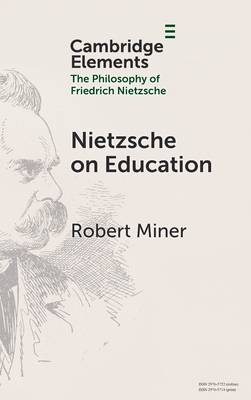
If one were asked to name Nietzsche's primary concepts (e.g. will to power, death of God, eternal recurrence), education would likely appear near the bottom of the list. Nevertheless, Nietzsche was intensely occupied with the topic. To see how Nietzsche formulates his basic questions about the nature and aim of education, I begin with his lectures On the Future of our Educational Institutions. I then move to his third Untimely Meditation, 'Schopenhauer as Educator, ' where he articulates his fundamental idea of "culture" and the educational means required to produce and sustain it. In continuous dialogue with SE and later works, I ask: Which educational practices are most apt to produce the philosopher? What is involved in aesthetic education and the production of the artist? Are there educational paths to the saint? If so, what do they look like? My conclusion probes Nietzsche's sharp distinction between real education and its counterfeits.
Specificaties
Betrokkenen
- Auteur(s):
- Uitgeverij:
Inhoud
- Aantal bladzijden:
- 86
- Taal:
- Engels
- Reeks:
Eigenschappen
- Productcode (EAN):
- 9781009505109
- Verschijningsdatum:
- 12/03/2026
- Uitvoering:
- Hardcover
- Formaat:
- Genaaid
- Afmetingen:
- 152 mm x 229 mm
- Gewicht:
- 285 g


Alleen bij Standaard Boekhandel
+ 225 punten op je klantenkaart van Standaard Boekhandel
Cadeau

AANGERADEN


Beoordelingen
We publiceren alleen reviews die voldoen aan de voorwaarden voor reviews. Bekijk onze voorwaarden voor reviews.