



Je cadeautjes zeker op tijd in huis hebben voor de feestdagen? Kom langs in onze winkels en vind het perfecte geschenk!
- Afhalen na 1 uur in een winkel met voorraad
- Gratis thuislevering in België vanaf € 30
- Ruim aanbod met 7 miljoen producten
Je cadeautjes zeker op tijd in huis hebben voor de feestdagen? Kom langs in onze winkels en vind het perfecte geschenk!
- Afhalen na 1 uur in een winkel met voorraad
- Gratis thuislevering in België vanaf € 30
- Ruim aanbod met 7 miljoen producten





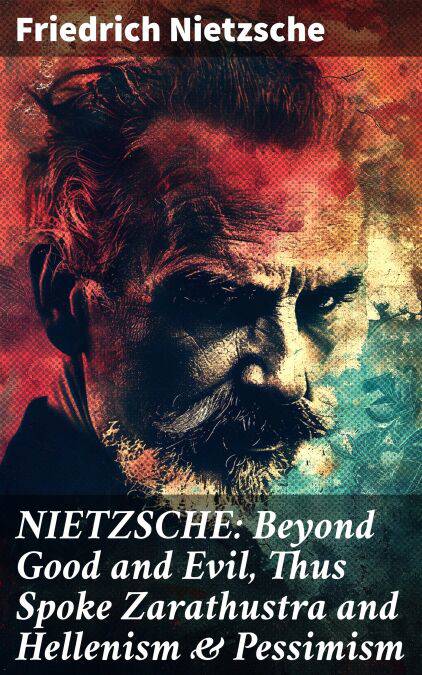
NIETZSCHE: Beyond Good and Evil, Thus Spoke Zarathustra and Hellenism & Pessimism E-BOOK
The Birth of Tragedy (3 Books in One Edition)
Friedrich Nietzsche
E-book | Engels
€ 1,99
+ 1 punten
Uitvoering
Omschrijving
Friedrich Nietzsche's "Beyond Good and Evil, Thus Spoke Zarathustra and Hellenism & Pessimism" is a profound exploration of morality, human existence, and cultural criticism. The book deftly intertwines Nietzsche's signature aphoristic style with poetic narrative, challenging conventional moral dichotomies. Through the lens of existential thought and ancient Greek philosophy, Nietzsche unveils the complexities of human experience, addressing themes of nihilism and the will to power. This work situates itself within a rich literary context, drawing from and critiquing philosophers like Kant and Schopenhauer while reconstructing a new ideology that beckons readers to question established values. Nietzsche, a pivotal figure in 19th-century philosophy, grapples with the aftermath of the Enlightenment and the decline of religious authority. His own experiences with illness and academic isolation permeate his writings, leading him to advocate for a radical re-evaluation of societal norms. "Thus Spoke Zarathustra," perhaps his most celebrated work, embodies his vision of the √úbermensch, a transcendence of humanity's struggles toward new heights of existence. I highly recommend this book to readers eager to delve into Nietzsche's complex thought. It provides not only insights into the philosophical underpinnings of Western culture but also invites personal reflection on the nature of existence itself. Engaging with Nietzsche'Äôs radical vision will enrich the understanding of contemporary moral dilemmas and the quest for individual authenticity.
Specificaties
Betrokkenen
- Auteur(s):
- Vertaler(s):
- Uitgeverij:
Inhoud
- Aantal bladzijden:
- 679
- Taal:
- Engels
Eigenschappen
- Productcode (EAN):
- 8596547678113
- Verschijningsdatum:
- 24/11/2023
- Uitvoering:
- E-book
- Beveiligd met:
- Digital watermarking
- Formaat:
- ePub


Alleen bij Standaard Boekhandel
+ 1 punten op je klantenkaart van Standaard Boekhandel
CADEAU


Beoordelingen
We publiceren alleen reviews die voldoen aan de voorwaarden voor reviews. Bekijk onze voorwaarden voor reviews.