


- Afhalen na 1 uur in een winkel met voorraad
- Gratis thuislevering in België vanaf € 30
- Ruim aanbod met 7 miljoen producten
- Afhalen na 1 uur in een winkel met voorraad
- Gratis thuislevering in België vanaf € 30
- Ruim aanbod met 7 miljoen producten





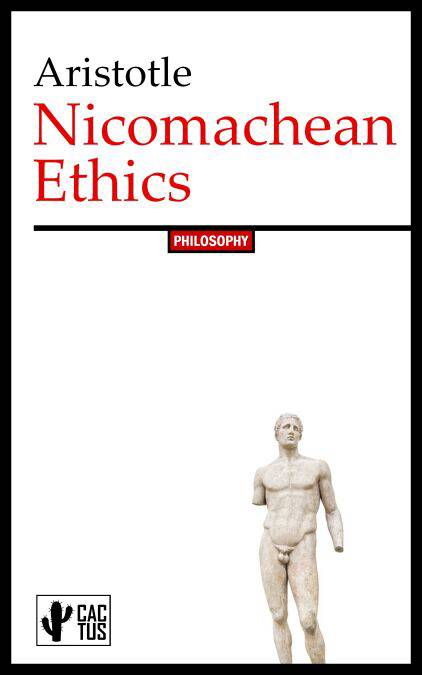
Omschrijving
In the Nicomachean Ethics, Aristotle tackles the most fundamental questions of human existence. Far from being a dry, abstract treatise, this work is a practical guide to living well. Aristotle argues that the ultimate human good is eudaimonia—often translated as happiness, but better understood as a state of flourishing or living beautifully and fully.
Central to his philosophy is the concept of virtue. Virtue, for Aristotle, is not about following rigid rules, but about cultivating excellent character traits—courage, temperance, justice, and wisdom—and finding the golden mean between excess and deficiency. He explores the nature of moral responsibility, the importance of friendship, the role of pleasure, and the life of intellectual contemplation as the highest form of human fulfillment.
Written with remarkable clarity and psychological insight, the Nicomachean Ethics remains profoundly influential, forming the bedrock of Western moral philosophy. It speaks directly to anyone who has ever asked: What kind of person should I strive to become?
Central to his philosophy is the concept of virtue. Virtue, for Aristotle, is not about following rigid rules, but about cultivating excellent character traits—courage, temperance, justice, and wisdom—and finding the golden mean between excess and deficiency. He explores the nature of moral responsibility, the importance of friendship, the role of pleasure, and the life of intellectual contemplation as the highest form of human fulfillment.
Written with remarkable clarity and psychological insight, the Nicomachean Ethics remains profoundly influential, forming the bedrock of Western moral philosophy. It speaks directly to anyone who has ever asked: What kind of person should I strive to become?
Specificaties
Betrokkenen
- Auteur(s):
- Vertaler(s):
- Uitgeverij:
Inhoud
- Taal:
- Engels
Eigenschappen
- Productcode (EAN):
- 9791256798599
- Verschijningsdatum:
- 16/05/2026
- Uitvoering:
- E-book
- Beveiligd met:
- Digital watermarking
- Formaat:
- ePub


Alleen bij Standaard Boekhandel
+ 2 punten op je klantenkaart van Standaard Boekhandel
Cadeau

AANGERADEN


Beoordelingen
We publiceren alleen reviews die voldoen aan de voorwaarden voor reviews. Bekijk onze voorwaarden voor reviews.