


- Afhalen na 1 uur in een winkel met voorraad
- Gratis thuislevering in België vanaf € 30
- Ruim aanbod met 7 miljoen producten
- Afhalen na 1 uur in een winkel met voorraad
- Gratis thuislevering in België vanaf € 30
- Ruim aanbod met 7 miljoen producten





€ 100,70
+ 201 punten
Omschrijving
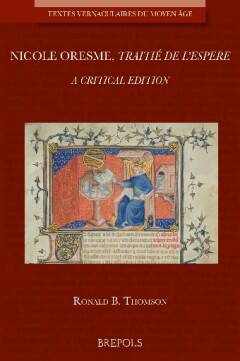
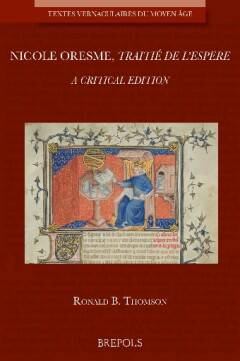
Nicole Oresme (ca. 1320-1382) was a well-known French author and translator working under the patronage of King Charles V (1338-1380). He commented on a number of Aristotelian treatises as well as producing original texts in Latin or Middle French on natural philosophy, mathematics, astronomy, astrology, economics and monetary theory, theology and sermons. The Traitie de l'espere, written between 1356 and 1377 for the benefit of Charles V and his court, is an introduction to basic physical astronomy (the elements, the spheres, the planets, eclipses, etc.) as well as the groundwork for mathematical astronomy (basic celestial circles - ecliptic and zodiac, colures, tropics, and the like). The text also includes a study of the habitable areas of the Earth (the various climes) and an interesting chapter on the phenomenon of gaining or losing a day if one circles the earth, travelling east or west. This is the first critical edition of the Traitie based on the presentation copy (now in the library of St. John's College in Oxford), collated with the other twelve Middle French manuscripts from the fourteenth and fifteenth centuries. The edition identifies nearly all of the sources quoted in the text, and the various geographical and mythological references. It includes explanations of scientific themes for the benefit of those not familiar with medieval science. An appendix lists possible French neologisms by Oresme found first in this treatise.
Specificaties
Betrokkenen
- Auteur(s):
- Uitgeverij:
Inhoud
- Aantal bladzijden:
- 196
- Taal:
- Engels
- Reeks:
- Reeksnummer:
- nr. 35
Eigenschappen
- Productcode (EAN):
- 9782503620916
- Verschijningsdatum:
- 15/11/2025
- Uitvoering:
- Paperback
- Formaat:
- Trade paperback (VS)
- Afmetingen:
- 156 mm x 234 mm
- Gewicht:
- 984 g


Alleen bij Standaard Boekhandel
+ 201 punten op je klantenkaart van Standaard Boekhandel
CADEAU

AANGERADEN


Beoordelingen
We publiceren alleen reviews die voldoen aan de voorwaarden voor reviews. Bekijk onze voorwaarden voor reviews.