



Je cadeautjes zeker op tijd in huis hebben voor de feestdagen? Kom langs in onze winkels en vind het perfecte geschenk!
- Afhalen na 1 uur in een winkel met voorraad
- Gratis thuislevering in België vanaf € 30
- Ruim aanbod met 7 miljoen producten
Je cadeautjes zeker op tijd in huis hebben voor de feestdagen? Kom langs in onze winkels en vind het perfecte geschenk!
- Afhalen na 1 uur in een winkel met voorraad
- Gratis thuislevering in België vanaf € 30
- Ruim aanbod met 7 miljoen producten





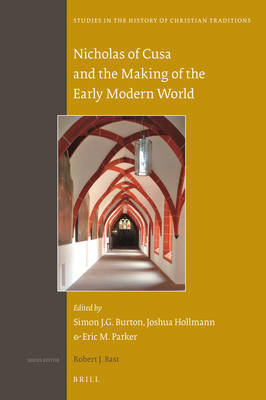
Nicholas of Cusa and the Making of the Early Modern World
€ 273,45
+ 546 punten
Omschrijving
Nicholas of Cusa and Early Modern Reform sheds new light on Cusanus' relationship to early modernity by focusing on the reform of church, the reform of theology, the reform of perspective, and the reform of method - which together aim to encompass the breadth and depth of Cusanus' own reform initiatives. In particular, in examining the way in which he served as inspiration for a wide and diverse array of reform-minded philosophers, ecclesiastics, theologians, and lay scholars in the midst of their struggle for the renewal and restoration of the individual, society, and the world, our volume combines a focus on Cusanus as a paradigmatic thinker with a study of his concrete influence on early modern thought. This volume is aimed at scholars working in the field of late medieval and early modern philosophy, theology, and history of science.
As the first Anglophone volume to explore the early modern reception of Nicholas of Cusa, this work will provide an important complement to a growing number of companions focusing on his life and thought.
As the first Anglophone volume to explore the early modern reception of Nicholas of Cusa, this work will provide an important complement to a growing number of companions focusing on his life and thought.
Specificaties
Betrokkenen
- Uitgeverij:
Inhoud
- Aantal bladzijden:
- 536
- Taal:
- Engels
- Reeks:
- Reeksnummer:
- nr. 190
Eigenschappen
- Productcode (EAN):
- 9789004343016
- Verschijningsdatum:
- 17/01/2019
- Uitvoering:
- Hardcover
- Formaat:
- Genaaid
- Afmetingen:
- 157 mm x 236 mm
- Gewicht:
- 884 g


Alleen bij Standaard Boekhandel
+ 546 punten op je klantenkaart van Standaard Boekhandel
CADEAU


Beoordelingen
We publiceren alleen reviews die voldoen aan de voorwaarden voor reviews. Bekijk onze voorwaarden voor reviews.