



Je cadeautjes zeker op tijd in huis hebben voor de feestdagen? Kom langs in onze winkels en vind het perfecte geschenk!
- Afhalen na 1 uur in een winkel met voorraad
- Gratis thuislevering in België vanaf € 30
- Ruim aanbod met 7 miljoen producten
Je cadeautjes zeker op tijd in huis hebben voor de feestdagen? Kom langs in onze winkels en vind het perfecte geschenk!
- Afhalen na 1 uur in een winkel met voorraad
- Gratis thuislevering in België vanaf € 30
- Ruim aanbod met 7 miljoen producten





€ 187,45
+ 374 punten
Uitvoering
Omschrijving
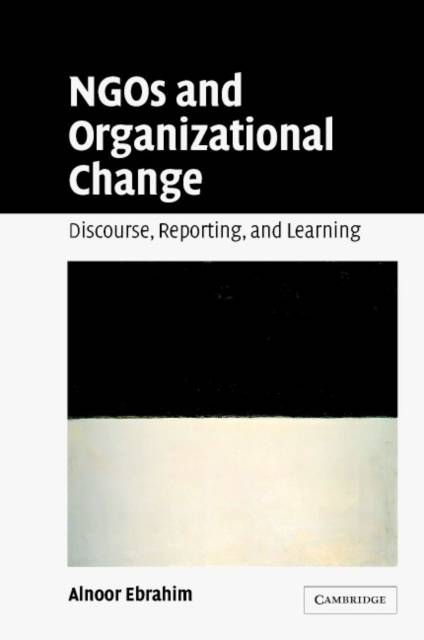
The organizational dynamics of non-governmental organizations (NGOs) have become increasingly complex as they have evolved from small local groups into sophisticated multinational organizations with global networks. Alnoor Ebrahim's study analyzes the organizational evolution of NGOs as a result of their increased profile as bilateral partners in delivering aid. Focusing on the relationships between NGOs and their international network of funders, it examines not only the tensions created by the reporting requirement of funders, but also the strategies of resistance employed by NGOs.
Specificaties
Betrokkenen
- Auteur(s):
- Uitgeverij:
Inhoud
- Aantal bladzijden:
- 192
- Taal:
- Engels
Eigenschappen
- Productcode (EAN):
- 9780521824866
- Verschijningsdatum:
- 7/08/2003
- Uitvoering:
- Hardcover
- Formaat:
- Genaaid
- Afmetingen:
- 151 mm x 237 mm
- Gewicht:
- 435 g



Alleen bij Standaard Boekhandel
+ 374 punten op je klantenkaart van Standaard Boekhandel
CADEAU


Beoordelingen
We publiceren alleen reviews die voldoen aan de voorwaarden voor reviews. Bekijk onze voorwaarden voor reviews.