


- Afhalen na 1 uur in een winkel met voorraad
- Gratis thuislevering in België vanaf € 30
- Ruim aanbod met 7 miljoen producten
- Afhalen na 1 uur in een winkel met voorraad
- Gratis thuislevering in België vanaf € 30
- Ruim aanbod met 7 miljoen producten





€ 72,95
+ 145 punten
Omschrijving
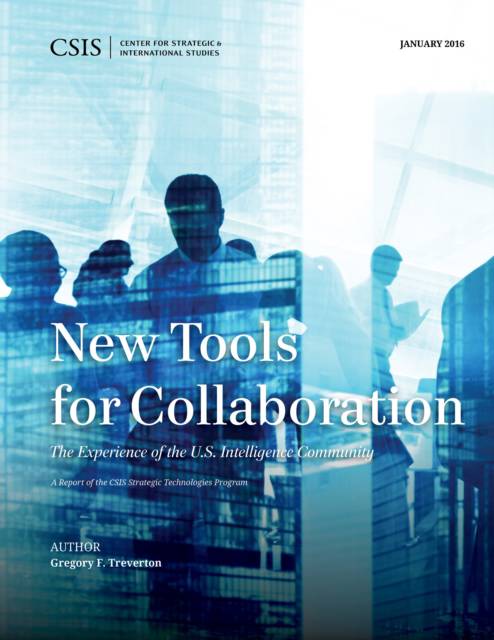
The Intelligence Community does not lag far behind the private sector in using collaborative tools; indeed, it has developed an impressive array. However, the most used tools, like instant messaging (IM), are employed primarily within agencies for peer-to-peer communication and hence are neither widely collaborative nor especially novel: they are different ways of accomplishing familiar functions. The array of collaborative tools across agencies--ranging from IM to blogs to a wiki called Intellipedia--is impressive but used mostly by enthusiasts. This report identifies lessons learned from looking at the use of internal collaborative tools across the Intelligence Community, especially across the four biggest agencies: Central Intelligence Agency, Defense Intelligence Agency, National Security Agency, and National Geospatial Intelligence Agency.
Specificaties
Betrokkenen
- Auteur(s):
- Uitgeverij:
Inhoud
- Aantal bladzijden:
- 40
- Taal:
- Engels
- Reeks:
Eigenschappen
- Productcode (EAN):
- 9781442259126
- Verschijningsdatum:
- 26/01/2016
- Uitvoering:
- Paperback
- Formaat:
- Trade paperback (VS)
- Afmetingen:
- 216 mm x 277 mm
- Gewicht:
- 136 g


Alleen bij Standaard Boekhandel
+ 145 punten op je klantenkaart van Standaard Boekhandel
Cadeau

AANGERADEN


Beoordelingen
We publiceren alleen reviews die voldoen aan de voorwaarden voor reviews. Bekijk onze voorwaarden voor reviews.