


- Afhalen na 1 uur in een winkel met voorraad
- Gratis thuislevering in België vanaf € 30
- Ruim aanbod met 7 miljoen producten
- Afhalen na 1 uur in een winkel met voorraad
- Gratis thuislevering in België vanaf € 30
- Ruim aanbod met 7 miljoen producten





€ 45,95
+ 91 punten
Uitvoering
Eenvoudig bestellen
Veilig betalen


Gratis thuislevering vanaf € 30 (via bpost)
Gratis levering in je Standaard Boekhandel
Omschrijving
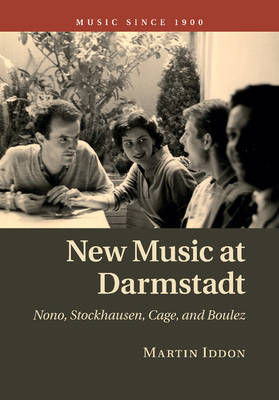
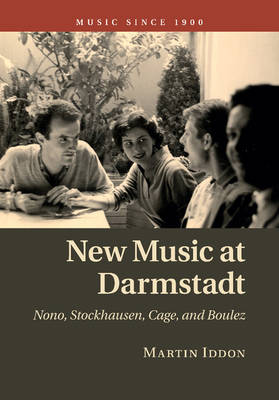
New Music at Darmstadt explores the rise and fall of the so-called 'Darmstadt School, ' through a wealth of primary sources and analytical commentary. Martin Iddon's book examines the creation of the Darmstadt New Music Courses and the slow development and subsequent collapse of the idea of the Darmstadt School, showing how participants in the West German new music scene, including Herbert Eimert and a range of journalistic commentators, created an image of a coherent entity, despite the very diverse range of compositional practices on display at the courses. The book also explores the collapse of the seeming collegiality of the Darmstadt composers, which crystallised around the arrival there in 1958 of the most famous, and notorious, of all post-war composers, John Cage, an event Carl Dahlhaus opined 'swept across the European avant-garde like a natural disaster.'
Specificaties
Betrokkenen
- Auteur(s):
- Uitgeverij:
Inhoud
- Aantal bladzijden:
- 354
- Taal:
- Engels
- Reeks:
Eigenschappen
- Productcode (EAN):
- 9781107480018
- Verschijningsdatum:
- 1/01/2015
- Uitvoering:
- Paperback
- Formaat:
- Trade paperback (VS)
- Afmetingen:
- 170 mm x 244 mm
- Gewicht:
- 562 g


Alleen bij Standaard Boekhandel
+ 91 punten op je klantenkaart van Standaard Boekhandel
CADEAU

AANGERADEN


Beoordelingen
We publiceren alleen reviews die voldoen aan de voorwaarden voor reviews. Bekijk onze voorwaarden voor reviews.