Standaard Boekhandel gebruikt cookies en gelijkaardige technologieën om de website goed te laten werken en je een betere surfervaring te bezorgen.
Hieronder kan je kiezen welke cookies je wilt inschakelen:
Technische en functionele cookies
Deze cookies zijn essentieel om de website goed te laten functioneren, en laten je toe om bijvoorbeeld in te loggen. Je kan deze cookies niet uitschakelen.
Analytische cookies
Deze cookies verzamelen anonieme informatie over het gebruik van onze website. Op die manier kunnen we de website beter afstemmen op de behoeften van de gebruikers.
Marketingcookies
Deze cookies delen je gedrag op onze website met externe partijen, zodat je op externe platformen relevantere advertenties van Standaard Boekhandel te zien krijgt.
Bedankt voor het vertrouwen het afgelopen jaar! Om jou te bedanken bieden we GRATIS verzending (in België) aan op alles gedurende de hele maand januari.
Afhalen na 1 uur in een winkel met voorraad
In januari gratis thuislevering in België
Ruim aanbod met 7 miljoen producten
Bedankt voor het vertrouwen het afgelopen jaar! Om jou te bedanken bieden we GRATIS verzending (in België) aan op alles gedurende de hele maand januari.
Je kan maximaal 250 producten tegelijk aan je winkelmandje toevoegen. Verwijdere enkele producten uit je winkelmandje, of splits je bestelling op in meerdere bestellingen.
In januari gratis thuislevering in België (via bpost)
Gratis levering in je Standaard Boekhandel
Omschrijving
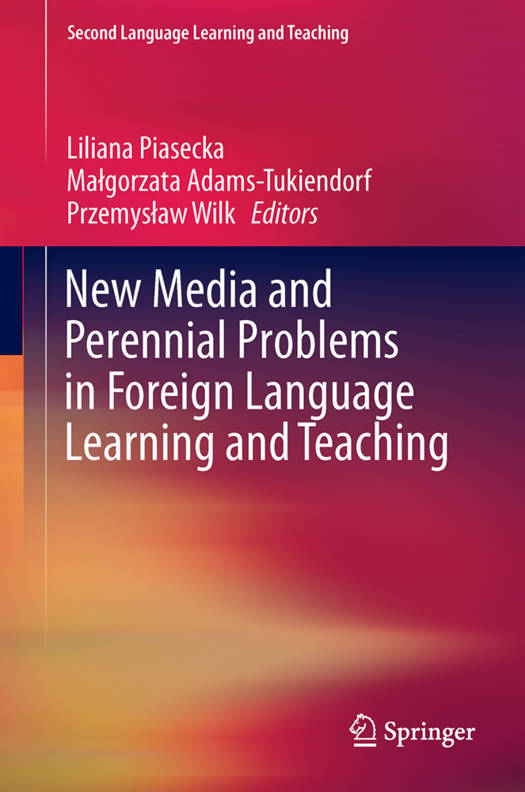
The book concerns the ways in which the new media shape communication along with educational expectations and practices in foreign language classrooms. Although foreign language learners have cheap and easy access to information and ways of communication, they also wrestle with problems that have always accompanied language learning. The focus of the book is two-fold. On the one hand, the authors demonstrate how using social networks, videoconferencing, mobile phones, wikis, and computer-mediated interaction contributes to the development of language skills, negotiated interaction, autonomy, and intercultural competence. On the other, they discuss "old" issues pertaining to the role of vocabulary, corrective feedback, textbooks and inner speech in the process of language learning and use. Every chapter reports original empirical research on issues related to the new media and old problems in foreign language teaching contexts in various countries, and with respect to various age groups.