


- Afhalen na 1 uur in een winkel met voorraad
- Gratis thuislevering in België vanaf € 30
- Ruim aanbod met 7 miljoen producten
- Afhalen na 1 uur in een winkel met voorraad
- Gratis thuislevering in België vanaf € 30
- Ruim aanbod met 7 miljoen producten





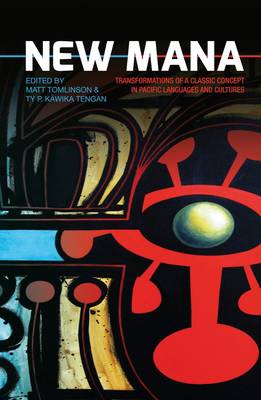
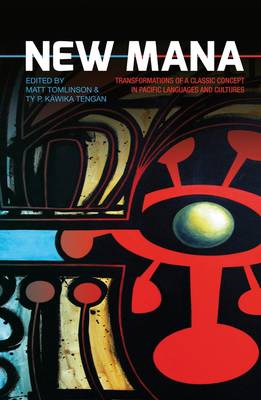
New Mana
Transformations of a Classic Concept in Pacific Languages and Cultures
€ 54,95
+ 109 punten
Omschrijving
'Mana', a term denoting spiritual power, is found in many Pacific Islands languages. In recent decades, the term has been taken up in New Age movements and online fantasy gaming. In this book, 16 contributors examine mana through ethnographic, linguistic, and historical lenses to understand its transformations in past and present. The authors consider a range of contexts including Indigenous sovereignty movements, Christian missions and Bible translations, the commodification of cultural heritage, and the dynamics of diaspora. Their investigations move across diverse island groups-Papua New Guinea, Solomon Islands, Vanuatu, Fiji, Tonga, Samoa, Hawai'i, and French Polynesia-and into Australia, North America and even cyberspace. A key insight that the volume develops is that mana can be analysed most productively by paying close attention to its ethical and aesthetic dimensions. Since the late nineteenth century, mana has been an object of intense scholarly interest. Writers in many fields including anthropology, linguistics, history, religion, philosophy, and missiology have long debated how the term should best be understood. The authors in this volume review mana's complex intellectual history but also describe the remarkable transformations going on in the present day as scholars, activists, church leaders, artists, and entrepreneurs take up mana in new ways.
Specificaties
Betrokkenen
- Uitgeverij:
Inhoud
- Aantal bladzijden:
- 390
- Taal:
- Engels
- Reeks:
Eigenschappen
- Productcode (EAN):
- 9781760460075
- Verschijningsdatum:
- 1/04/2016
- Uitvoering:
- Paperback
- Formaat:
- Trade paperback (VS)
- Afmetingen:
- 153 mm x 234 mm
- Gewicht:
- 716 g

Alleen bij Standaard Boekhandel
+ 109 punten op je klantenkaart van Standaard Boekhandel
Cadeau

AANGERADEN


Beoordelingen
We publiceren alleen reviews die voldoen aan de voorwaarden voor reviews. Bekijk onze voorwaarden voor reviews.